Connect with us

Pakistan

Beyond the Aurat March: What Feminism Really Means!

Published

on

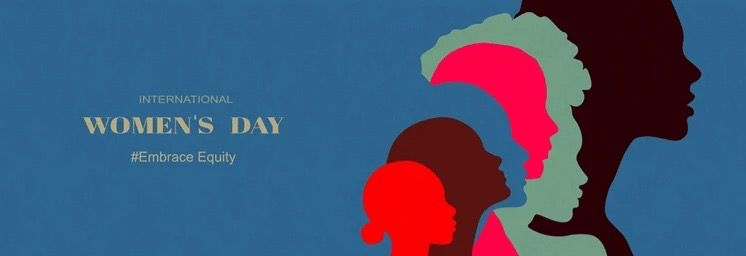
LAHORE – When we hear the word feminism, what usually comes to mind? Rights, independence, equality? At its core, feminism is meant to stand for fairness and justice, yet in our society, the term has often been misunderstood, misused, or even exploited. Broadly speaking, there are two types of women who call themselves feminists. The first group genuinely strives for equality in their professional roles, personal lives, and societal standing.

For them, feminism is about demanding respect and recognition, not superiority. The second group, however, uses feminism in the wrong way. For them, calling themselves feminist has become trendy or “cool.” They use it as a shield to justify going off track, behaving disrespectfully, or unfairly targeting men. To these women, hating men equals feminism, which is far from its true meaning.

This misuse creates injustice for men, who sometimes become victims when faced with such distorted versions of feminism.The problem arises when feminism is twisted into a tool for privilege rather than equality.

For some, it becomes a reason to demand advantages without responsibility, a trend to bash men while ignoring the challenges men face such as mental health struggles, financial pressures, or societal expectations, and even a justification for rudeness and disrespect disguised as empowerment. This distorted narrative not only damages men but also misguides younger generations, especially through social media, where radicalized voices dominate and influence perceptions.
Every year, events like the Aurat March become controversial. While raising voices for rights and justice is never wrong, many banners, slogans, and behaviors displayed during such events do not resonate with our cultural and religious values.

We live in an Islamic state where modesty is emphasized, and our youth are increasingly influenced by the wrong portrayal of feminism, confusing rebellion with empowerment. It is crucial to remember that Islam grants women immense respect and rights, but within defined boundaries. Women are encouraged to cover themselves, care for their families, and maintain dignity in society. At the same time, Islam elevates women by granting them inheritance rights, the right to education, respect as mothers, and recognition as equal partners in society. True equity lies in following this balance: rights with responsibilities, freedom with respect, and equality with values.
The debate over feminism, however, is not confined to Pakistan; it is global. According to IPSOS, 32% of men worldwide believe feminism does more harm than good, and 20% of women share this view. A King’s College London survey found that 16% of Gen Z men (ages 16–29) consider feminism harmful, higher than the 13% of men over 60 who feel the same. Globally, men are more likely than women to believe feminism has caused men to lose economic, social, or political power. On social media platforms like X (formerly Twitter), nearly 50% of posts about feminism are negative, and anti-feminist accounts often use insults and stereotypes three times more frequently than feminist accounts.

Even corporations have commodified feminism, using slogans like “The Future is Female” to market products. This selective adoption of feminist language reinforces stereotypes rather than addressing real issues of gender equality.
The essence of feminism is not about hating men, seeking privileges, or promoting disrespect. It is about equity, justice, and opportunity for all, values already embedded in Islam and universally acknowledged human rights. If feminism is to achieve its true purpose, it must be reclaimed from misuse, distortion, and commercialization. Only then can it inspire a healthier society where both men and women coexist with dignity, fairness, and respect.

Pakistan

NEPRA approves tariff cuts, power consumers to get Rs56bn relief

Published

on

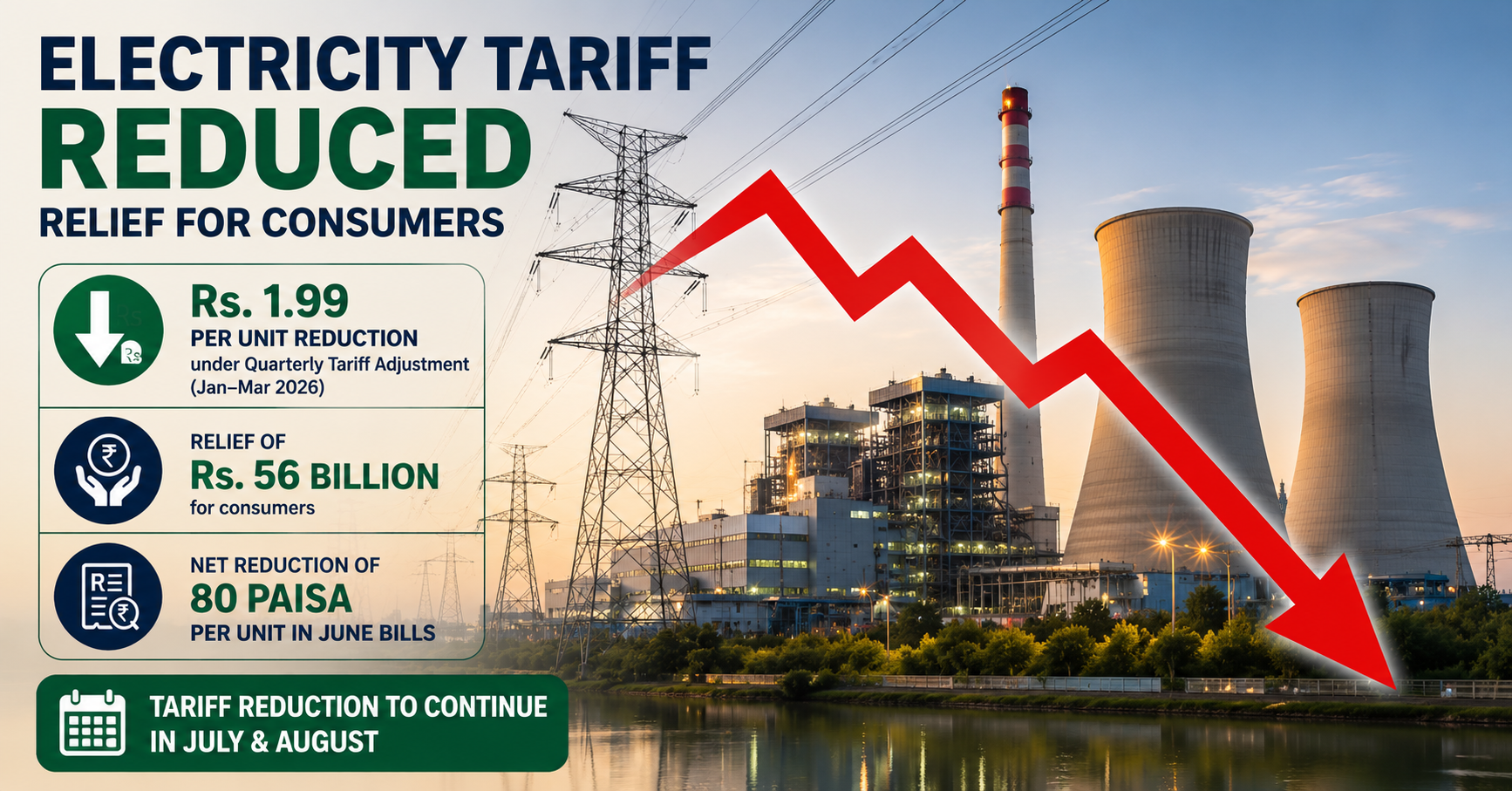
LAHORE – The National Electric Power Regulatory Authority (Nepra) has approved a reduction in electricity tariffs that is expected to provide consumers relief worth about Rs56 billion over the next three months.

In a notification issued on Thursday, the regulator announced a Rs1.99 per unit decrease under the quarterly tariff adjustment for the January-March 2026 quarter. The reduction will remain effective during June, July and August and is estimated to translate into consumer relief of roughly Rs67bn.

However, Nepra also allowed a fuel cost adjustment increase of Rs1.19 per unit for electricity consumed in April, which will be charged in June bills. The increase is expected to generate approximately Rs11bn for distribution companies.

As a result, consumers are likely to see a net reduction of around 80 paisa per unit in their June electricity bills, while the full benefit of the quarterly adjustment will continue in the following two months.

The approved FCA increase is lower than the Rs1.74 per unit sought by the Central Power Purchasing Agency, with Nepra trimming the proposed recovery amount to about Rs11bn from nearly Rs16bn.

According to the regulator, the quarterly adjustment was driven by changes in capacity payments, transmission charges, market operator costs, transmission and distribution losses, and the government’s incremental electricity consumption package for industrial and agricultural sectors.

Most consumer categories will benefit from the reduction, although certain lifeline and prepaid consumers, as well as some consumers covered by the incremental consumption scheme, will not be eligible for parts of the adjustment.

Continue Reading

Pakistan

Pakistan loses $1.6bn annually to e-commerce checkout inefficiencies: Report

Published

on

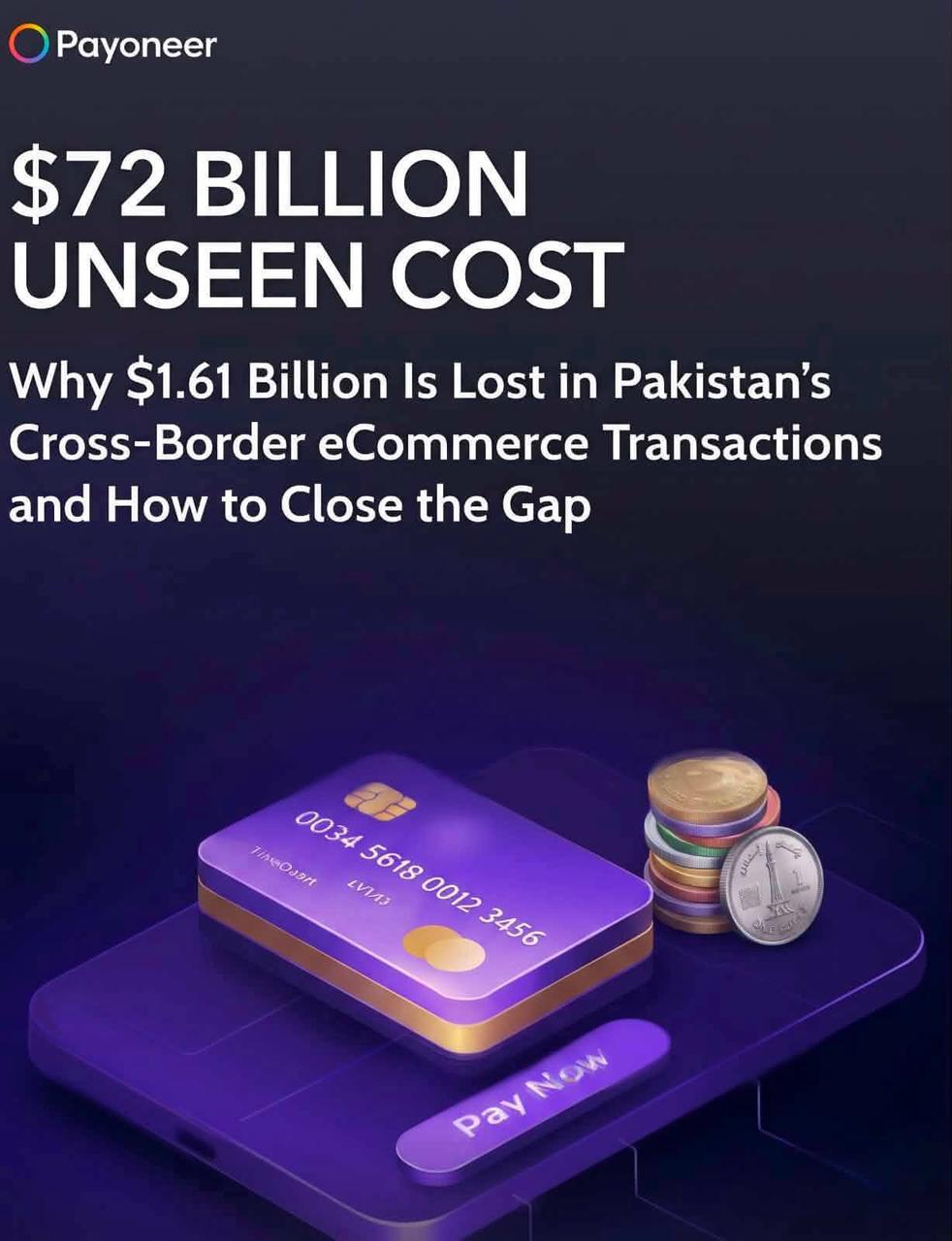
ISLAMABAD – Pakistan’s rapidly growing e-commerce sector is incurring significant financial losses at the checkout stage, with inefficiencies in payment systems costing businesses an estimated $1.61 billion annually, according to a new white paper by Payoneer.

The report highlights that merchants across Asia collectively lose around $72bn each year due to checkout-related challenges, with Pakistan representing a notable share of this gap.

A major portion of the losses in Pakistan — approximately $0.97bn — stems from cart abandonment, which accounts for over 60 per cent of the total. Analysts attribute this to friction during the checkout process, including unexpected charges, payment declines, and lack of pricing transparency.

Settlement delays contribute a further $0.46bn in losses, while $0.18bn is lost due to foreign exchange (FX) costs and other payment-related inefficiencies, the report noted.

Despite strong consumer demand, many transactions fail to convert into completed purchases, limiting revenue realisation for businesses. The issue is particularly acute for cross-border sellers, as international customers increasingly expect localised payment options and pricing in their own currencies.

Industry experts say complex payment systems involving multiple intermediaries further erode merchant margins, while delays in settlement cycles restrict cash flow, affecting businesses’ ability to fulfil orders and expand operations.

The findings point to structural weaknesses in Pakistan’s digital trade ecosystem, where financial infrastructure has yet to keep pace with the country’s expanding participation in global e-commerce.

Experts suggest that improving checkout processes, streamlining payment channels, and ensuring faster settlement could help address these inefficiencies. Introducing localised payment methods and transparent pricing, along with reducing fragmentation in banking relationships, may enhance conversion rates and unlock liquidity for businesses.

As Pakistan seeks to strengthen its position in Asia’s digital economy, addressing these bottlenecks could transform lost value into tangible growth for exporters and online sellers.

Continue Reading

Pakistan

Imran Amin highlights quality, sustainability, timely delivery aligned with Punjab govt vision
Published

on

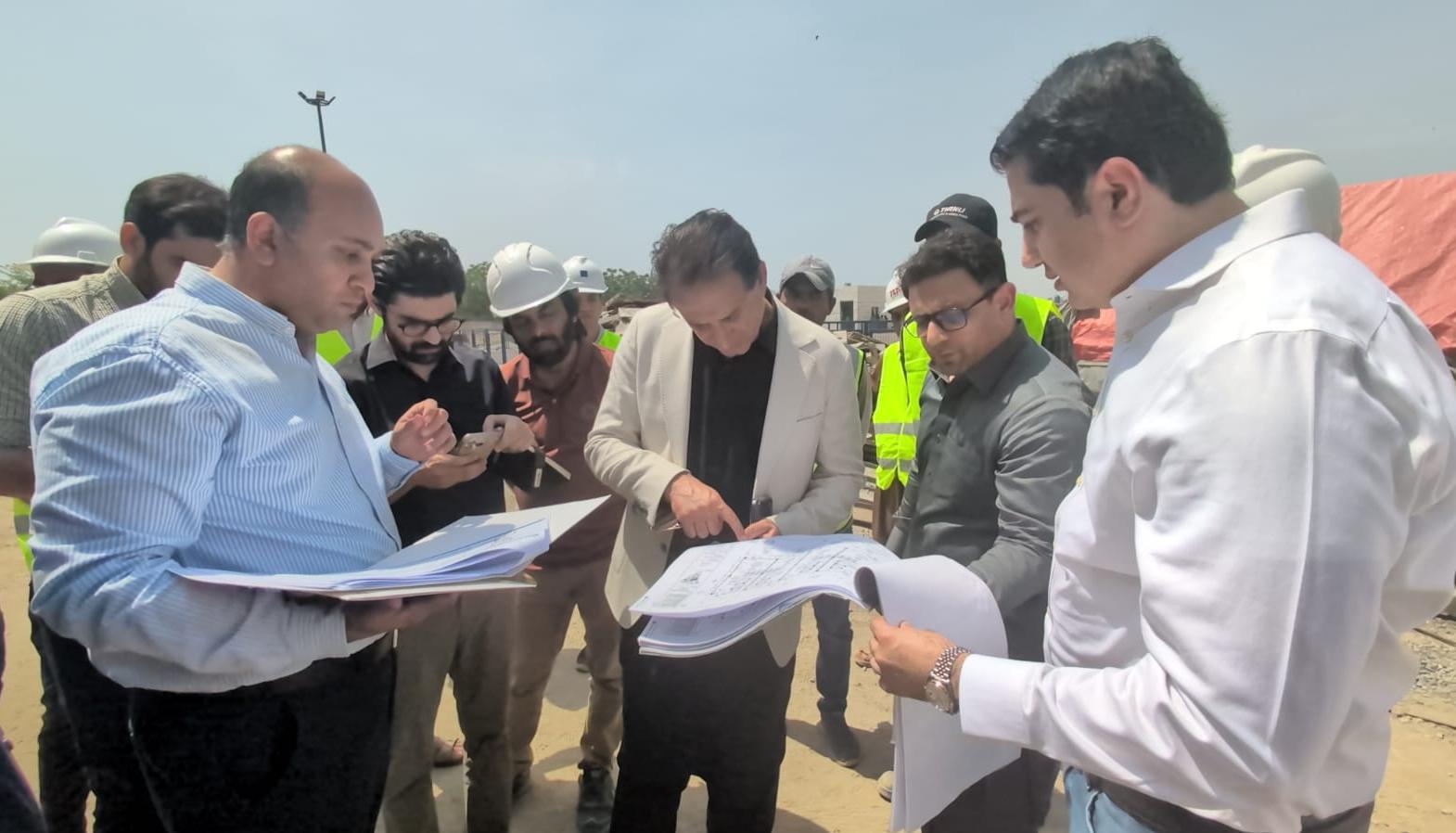
Lahore – April 21, 2026: CEO CBD Punjab, Imran Amin, toured the CBD Walk and CBD Lake projects to evaluate ongoing development efforts and monitor progress firsthand. He carried out a thorough inspection of both projects, reaffirming CBD Punjab’s dedication to delivering projects on schedule and to high standards.

CEO CBD Punjab Imran Amin was accompanied by senior officials including Director Project Management Asif Iqbal, Director Engineering Umar Hayat, Director Construction Asif Babar, Director Architecture & Planning Sameer Aftab Sial, and project contractors.

During the briefing, it was shared that construction work on CBD Walk is progressing ahead of schedule, while maintenance work is underway at CBD Lake to further enhance its sustainability and long-term functionality. Plans are also in place to install dancing fountains to elevate the aesthetic appeal of the area.

Director Architecture & Planning Sameer Aftab Sial briefed the CEO on the exterior design of the structure and the selection of tiles, highlighting the project’s modern and visually appealing outlook.

Expressing satisfaction over the pace of development, CEO CBD Punjab Imran Amin emphasized the importance of maintaining high construction standards. He stated, “This project, aligned with the vision of the Chief Minister Punjab, will emerge as a significant asset, contributing to Lahore’s social and economic landscape.”

The visit reflects CBD Punjab’s continued focus on delivering innovative, sustainable, and high-quality urban development projects.

Continue Reading

Trending

Copyright © 2026