
Sci&Tech
Pakistan Launches ‘National Big Data Portal’ to upscale future of tech








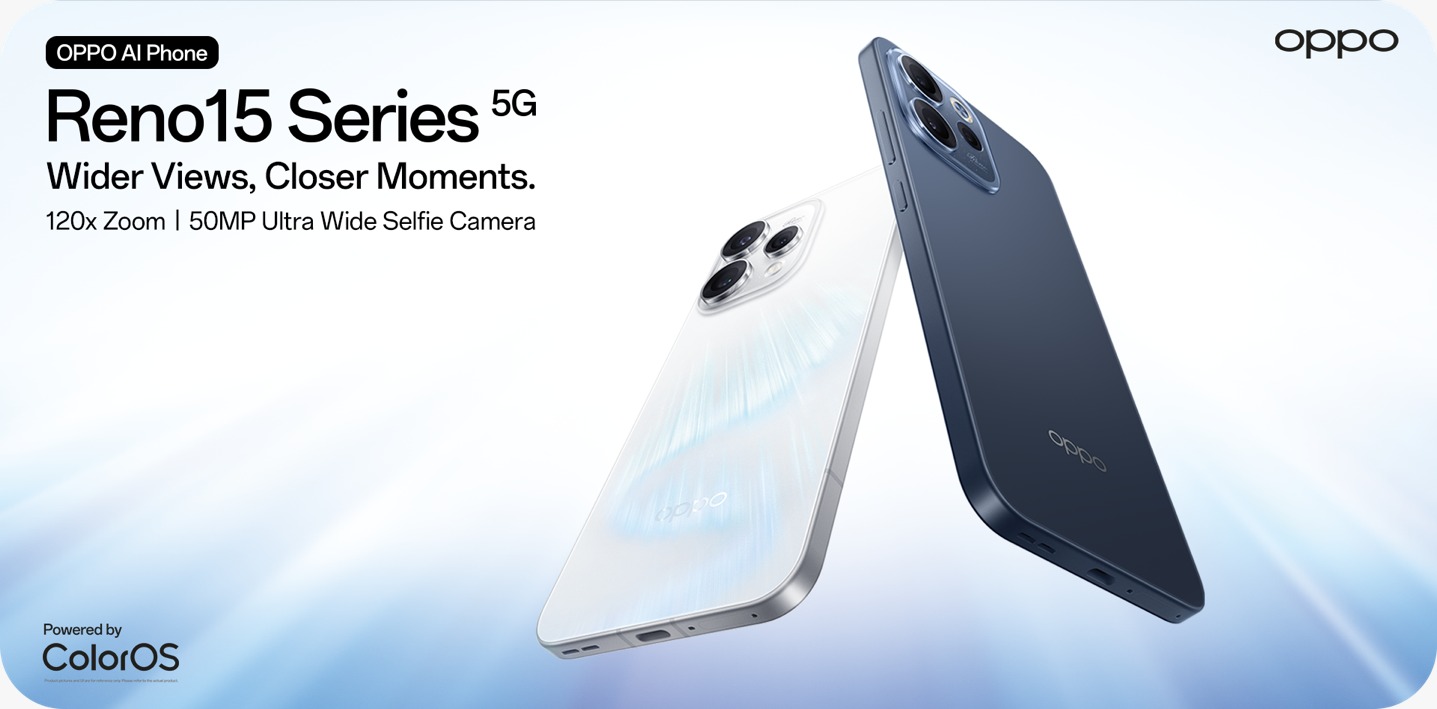
LAHORE – Smartphones are now more than simple devices; they serve as our companions on every journey, capturing memories, connecting us globally, and enabling creation. The highly anticipated OPPO Reno15 Series of 2026 is nearly launching and promises to usher in a new era of Reno, transforming how we perceive, experience, and photograph the world around us.
Aurora Design: Where Art Meets Innovation
The journey begins with design. The Reno15 Series introduces an Aurora-inspired, trendy exterior design delivering a unique visual experience that feels alive in the hand. Inspired by nature’s most mesmerising phenomenon, the Reno15 Series introduces the industry-first Dancing Aurora texture, delivering a unique visual experience that feels alive in the hand. With every change of angle, a dynamic, multi-hue glow comes alive like a real aurora dancing across the back cover, and every shift of colour invites you to chase your light, embracing a look that’s never the same twice.
WIDER VIEWS, CLOSER MOMENTS!
See Beyond the Horizon: 120x Pakistan’s Longest Zoom Range
Photography has always been central to Reno, and the Reno15 Series continues this legacy. Featuring Pakistan’s longest Zoom Range up to 120x, Reno15 allows users to capture details far beyond the naked eye. From mountain peaks to architectural details across cityscapes, every shot retains clarity and depth, allowing travelers and creators to capture the world as they truly experience it
Its 3.5x Telephoto Vibe Portrait Camera with a 200MP lens for Reno15 Pro capture long-distance shots with clarity, emphasizing the subject while retaining depth and detail, delivering a shooting quality similar to professional cameras.
Industry’s Widest All-in-One Selfie Camera – Wider. Clearer. Brighter.
The 50MP Ultra Wide Selfie Camera is built to capture the true essence of every moment. This allows you to effortlessly fit a group of friends or magnificent landscapes into the shot, effectively eliminating the need for a selfie stick. Beyond functionality, it preserves emotion and context together, your reactions, your energy, and the environment that inspired them.
Front & Rear 4K Ultra-Clear Video
The OPPO Reno15 Pro and Reno 15 feature 4K HDR Ultra-Steady Video, bringing every video to life with vivid clarity, natural color tones, and enhanced depth. With advanced stabilization across both front and rear cameras, it minimizes shake and delivers smooth, steady footage even when you’re moving during travels or daily moments.
 Pakistan’s Best Software System – ColorOS 16 Debuts in Pakistan
Ushering in the next chapter of Reno, the Reno15 Series introduces ColorOS 16 for the first time in Pakistan. ColorOS 16, powered by the Latest Android 16 is Pakistan’s best software system, featuring the All-New Luminous Rendering Engine for smooth animations, while the All-New Trinity Engine smartly optimizes chipset performance and power allocation to ensure for a smarter, smoother smartphone experience that easily handles daily tasks and gaming.
 The OPPO Reno15 Series introduces a suite of AI features designed to support users throughout their creative journey from capturing ideas and organizing inspiration to handling everyday productivity tasks. One of the top AI features included is AI Mind Space that includes AI Translate, AI Recording, AI Call Assistant, and AI VoiceScribe and acts as an intelligent hub that instantly collects and organises content across apps, keeping ideas, insights, and inspirations effortlessly within reach.
A New Era Begins
From its Aurora-inspired design to unmatched camera innovation, Reno15 empowers you to capture wider views and closer moments, built for those who explore, create, and live beyond limits.
The wait is almost over.
A new era is about to unfold.
OPPO Reno15 Series — launching on 29th January in Pakistan!

CBD Punjab drives transformation, reshaping the future of Punjab

Kashmiri Churiyan and all you need to know about it before Eid

Infinix elevates smartphone performance with its First Snapdragon-Powered Innovation



-
 Fashion2 weeks ago
Kashmiri Churiyan and all you need to know about it before Eid
-
 Business6 years ago
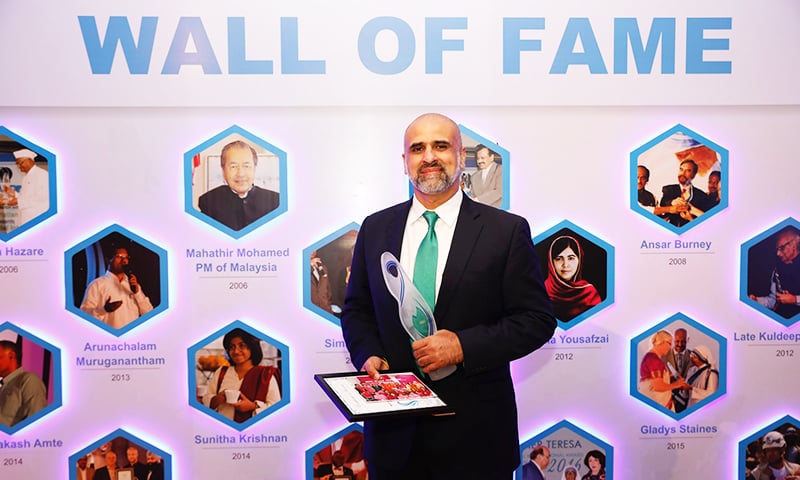
Salman Sufi Foundation announcement
-
 Uncategorized5 years ago
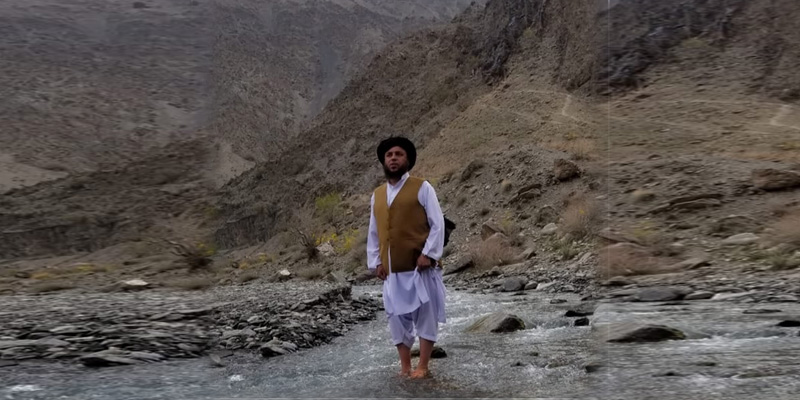
Quetta based Motivational Speaker Maulana Nooruddin Agha mesmerizes students with his motivational skills
-
 Pakistan4 weeks ago
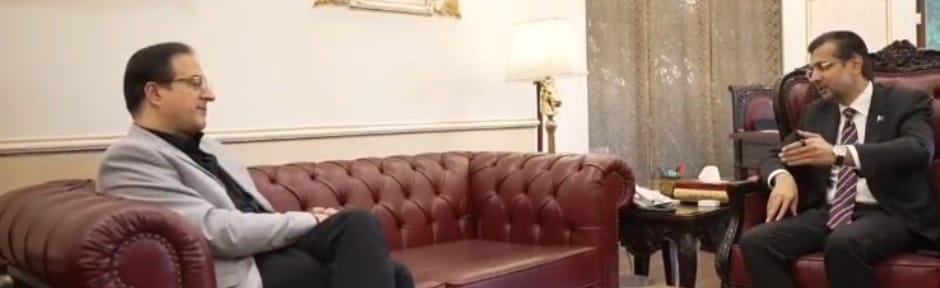
CEO CBD Punjab and Ruda Imran Amin meets with CM’s advisor Ali Mustafa Dar to discuss AI integration and tokenization.
-
 Sci&Tech4 years ago
How My Phone’s Most Annoying Feature Saved My Life
-

 Tech3 weeks ago
TECNO Showcases Experiential, Engineering and AI Breakthroughs with Over Ten Concept Devices at MWC 2026
-

 Business3 weeks ago
CBD Punjab fast-tracks major projects as CEO orders swift completion
-
 Pakistan3 weeks ago
Beyond the Aurat March: What Feminism Really Means!