
Pakistan
SINA continues to provide healthcare to urban slum communities during Lockdown

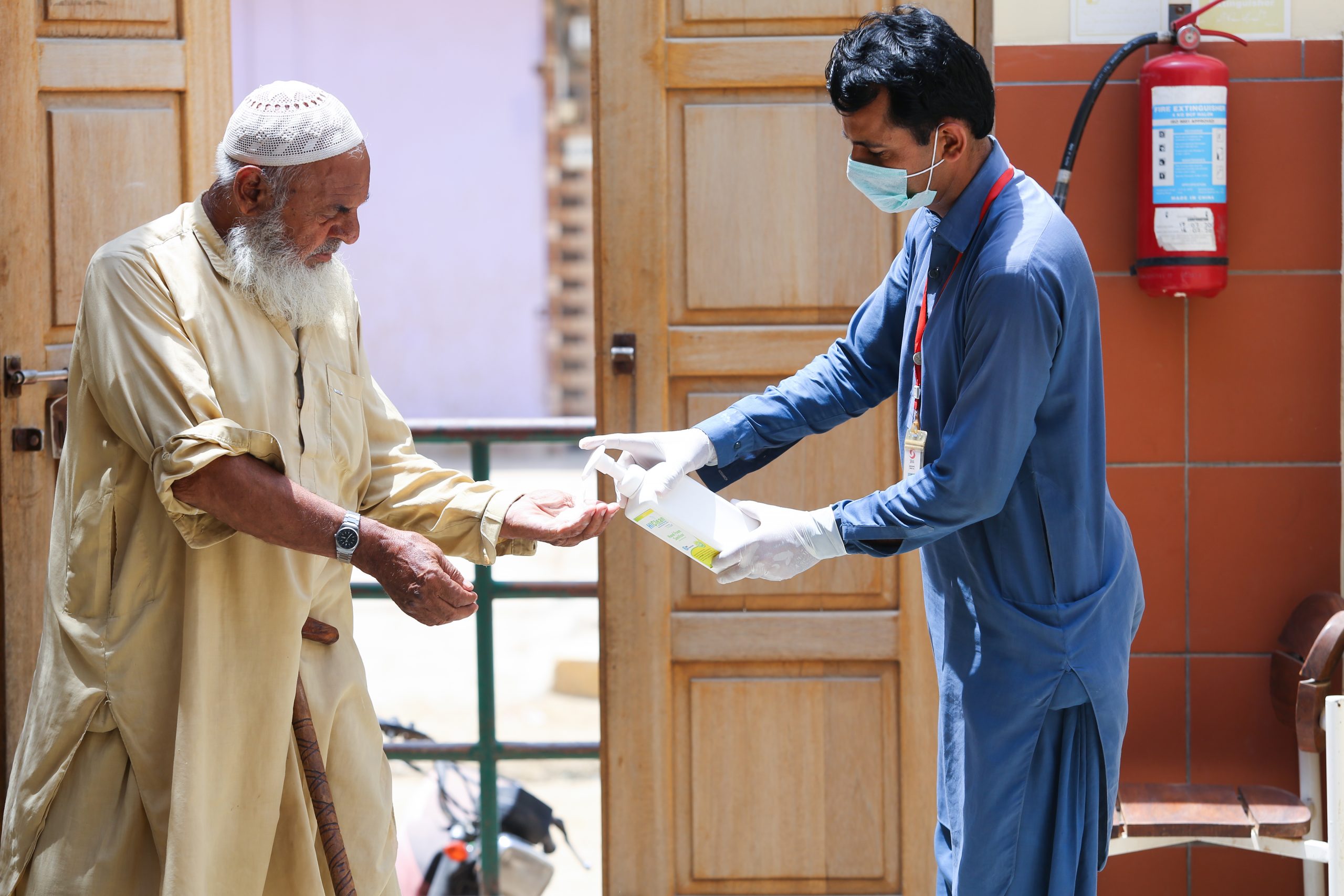
KARACHI – The COVID 19 crisis has directed government health resources towards treating patients afflicted with the deadly virus. While this addresses a pressing need, it cannot come at the cost of neglecting the responsibility to continue providing health services to those who may be at risk from other prevalent diseases.
These include the communicable spectrum such as malaria, typhoid, seasonal ailments, and various infections, alongside non-communicable conditions such as diabetes and hypertension that often require day-to-day management. In these times, SINA has continued providing services to its communities by implementing a telemedicine health system at its clinics.
Through the telemedicine model, a trained clinical technician present at the clinic provides on-ground coordination to facilitate patient consults through video conferencing. SINA’s pharmacy then dispenses the digitally prescribed medications. During these critical times, SINA has complied with and taken all necessary measures of providing PPE to its staff, implementing disinfecting measures and sanitization for staff and patients while maintaining physical distancing.
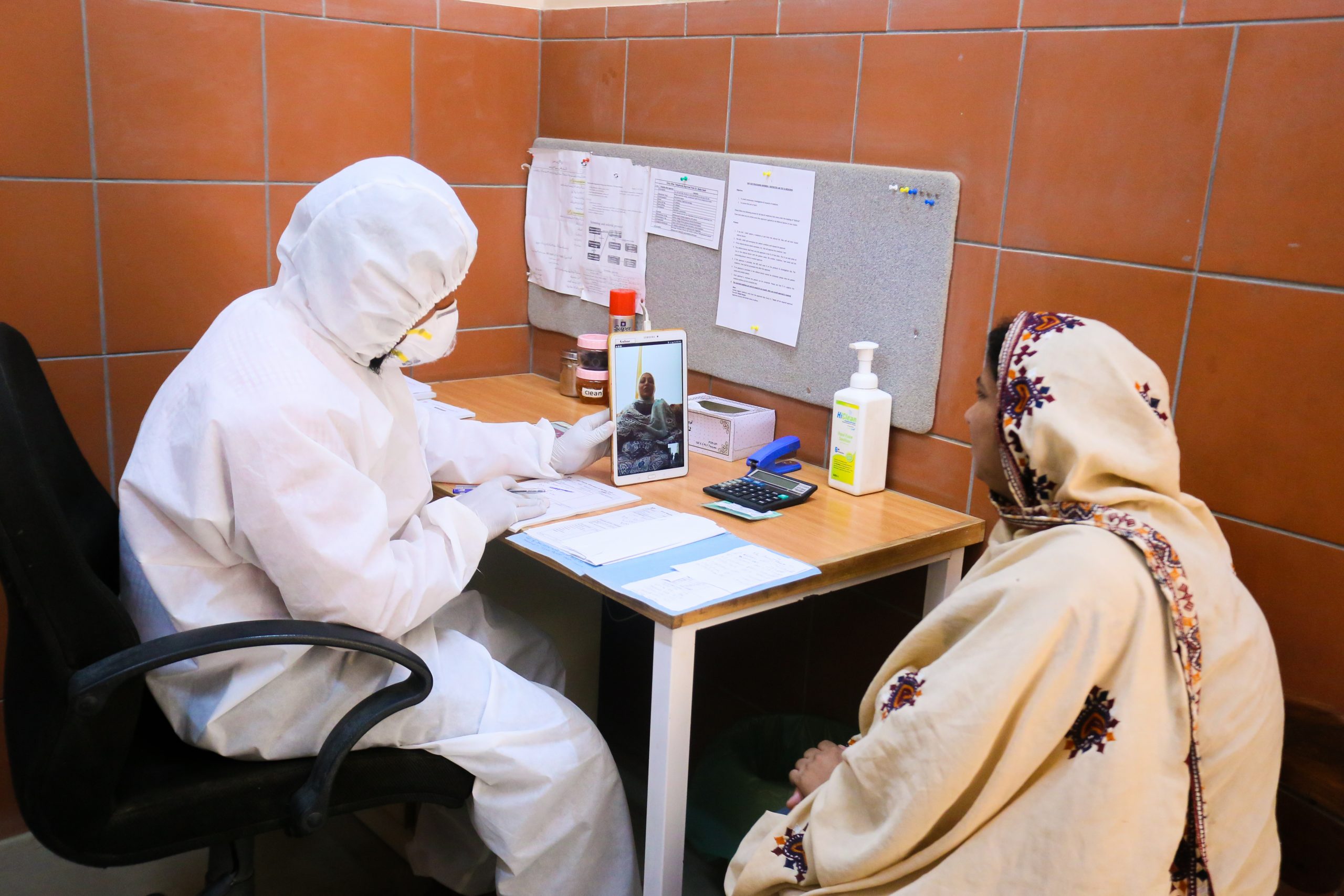
SINA has historically run its primary healthcare services with a state-of-the-art cloud-based electronic medical records system based on international protocols, through which medical records of the patients can be accessed. This digital architecture enabled SINA’s rapid transitions from daily OPD to telemedical health services in an effort to continue its mission to offer patients support in this time of need. This has helped fulfill the core purpose of strong primary care facilities, which in essence is to reduce the patient burden on tertiary and quaternary care hospital which are significantly overburdened. With the shutdown of various OPDs in the city, SINA’s role in telemedicine allows larger hospitals to focus on COVID patients and other patients needing a greater level of care.
This ties in with the ethos ingrained within SINA – from the on-ground staff to the board of trustees. ‘SINA’s mission is best served in continuing to look after our patients through timely delivery of consultations services. This reduces the burden of health issues in communities which are already overburdened by the loss of daily wages.’ says Dr Asim Imam, SINA’s Chairman, and Founder. ‘Our doctors are trained to record information through their tablet computers, which enable us to ensure an approach which is quality assured – our donors and patients all expect this from us.’
In this time of need, there are many examples of synergism across societal, governmental and individual sectors, all in an effort to come together to support each other. SINA, a not-for-profit organization which has been working to provide primary health care facilities in unprivileged communities of Karachi since 1998, has simply changed its mode of delivery, whilst minimizing any disruption in patient care.


Pakistan
Imran Amin highlights quality, sustainability, timely delivery aligned with Punjab govt vision



NEPRA approves tariff cuts, power consumers to get Rs56bn relief

LGS faces backlash for holding exams during summer holidays in ‘plain clothes’

TECNO Pakistan celebrates mother’s day with special CAMON 50 Series Offer



-

 Fashion3 months ago
Kashmiri Churiyan and all you need to know about it before Eid
-
 Pakistan3 months ago
CEO CBD Punjab and Ruda Imran Amin meets with CM’s advisor Ali Mustafa Dar to discuss AI integration and tokenization.
-
 Business6 years ago
Salman Sufi Foundation announcement
-
 Sci&Tech5 years ago
How My Phone’s Most Annoying Feature Saved My Life
-
 Uncategorized5 years ago
Quetta based Motivational Speaker Maulana Nooruddin Agha mesmerizes students with his motivational skills
-
 Uncategorized6 years ago
New 5G Nokia smartphone unveiled as portfolio expands – ensuring it the only gadget you will ever need
-
 Pakistan9 months ago
Free Fire World Series Pakistan 2025, powered by Jazz GameNow, returns with a PKR 35 lakh prize pool
-
 Education8 months ago
Healthcare University at Nawaz Sharif IT City Established in collaboration with NovaCare and Imperial College Healthcare NHS Trust (UK)
You must be logged in to post a comment Login