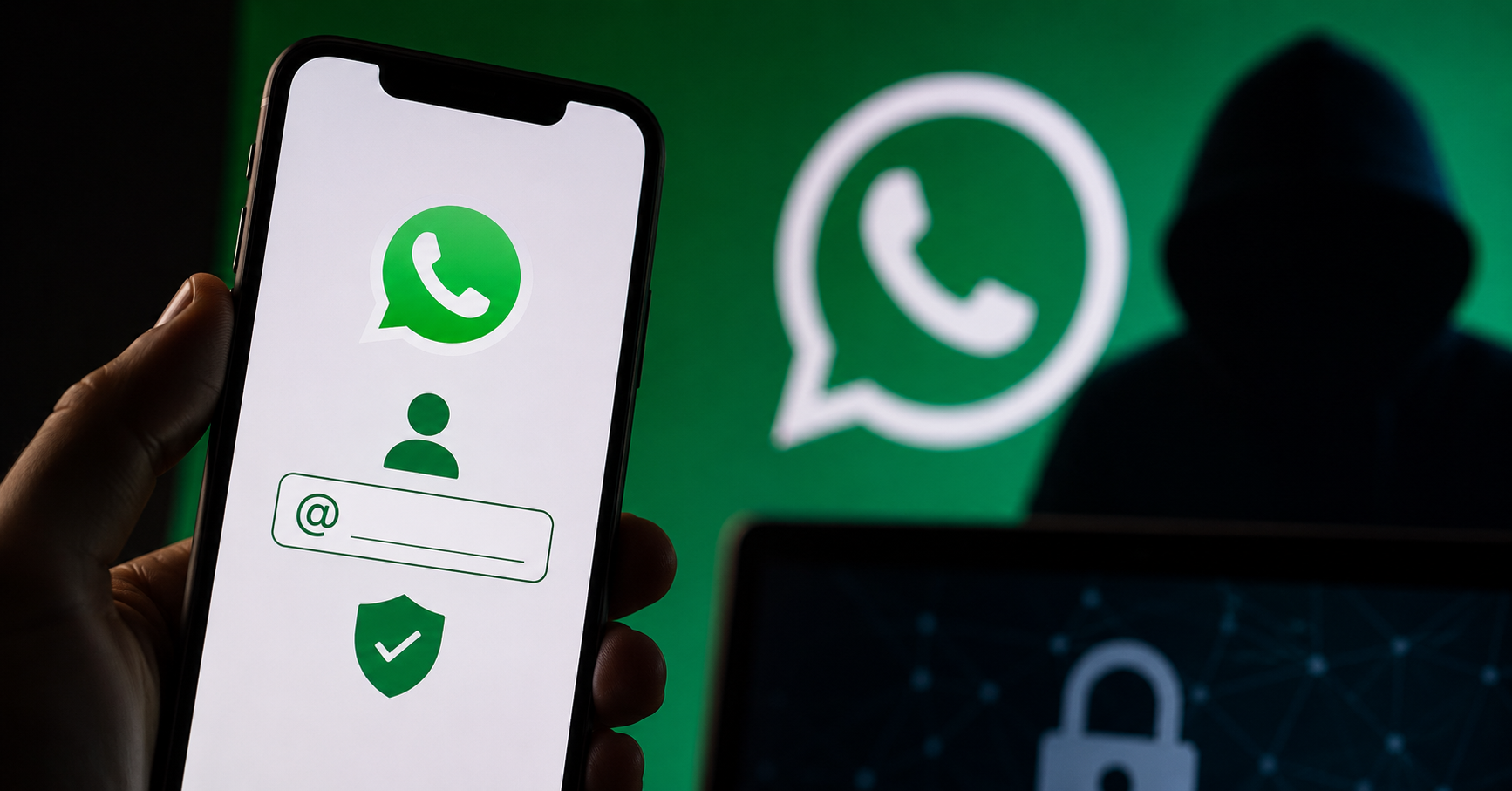
LAHORE – WhatsApp has begun allowing some users to reserve usernames ahead of the feature’s wider rollout later this year, prompting concerns from regulators and cybersecurity experts that it could increase the risk of impersonation and online fraud.
The new feature will allow users to communicate through usernames instead of sharing their phone numbers, a change that parent company Meta says is intended to enhance user privacy. India, WhatsApp’s largest market with more than 500 million users, has raised concerns over the proposal.
During early testing, technology publication TechCrunch reported that several usernames resembling those of Indian politicians, celebrities, companies and public institutions were available to reserve, raising fears that scammers could exploit similar names to impersonate public figures and organisations.
Among the reported examples were usernames resembling those of Indian Prime Minister Narendra Modi, actors Shah Rukh Khan and Amitabh Bachchan, telecom operator Jio and the Reserve Bank of India.
Separately, Binance founder Changpeng Zhao said on X that he was unable to reserve the username “cz_binance”, despite using the same handle on the social media platform.
Meta said it had reserved usernames associated with public figures, government bodies and certain variations of their names, adding that only legitimate owners would be allowed to claim protected usernames. The company, however, has not disclosed how it determines which similar usernames should also be restricted.
The company said usernames would be optional and would not appear in a publicly searchable directory.
According to media reports, India’s Ministry of Electronics and Information Technology has asked WhatsApp to pause the rollout until consultations with the government are completed.
The ministry reportedly warned that allowing users to communicate without revealing phone numbers could facilitate phishing, impersonation, online fraud and other cybercrimes. It also asked the company to explain why regulatory action should not be taken under the country’s information technology laws and gave it three days to respond.
A senior government official told local media that discussions with WhatsApp over the feature were continuing.
The government’s intervention has drawn criticism from the New Delhi-based Internet Freedom Foundation, which argued that while impersonation and fraud are legitimate concerns, they should be addressed through law enforcement rather than by restricting product features.
The debate has also revived comparisons with an earlier Delhi High Court case involving Telegram, in which the court observed that usernames could make it easier for users to conceal their identities and spread unlawful content. The case did not involve WhatsApp.
Cybersecurity expert Rachel Tobac, chief executive of SocialProof Security, said usernames would improve privacy by reducing the need to share phone numbers with strangers, but cautioned that similar-looking usernames could still be exploited for impersonation scams.
She advised users to choose unique usernames that are difficult to guess in order to reduce unwanted contact and potential abuse.
WhatsApp has said users will also be able to link usernames associated with their Instagram or Facebook accounts to maintain a consistent identity across Meta’s platforms.
The company said username reservations are being introduced gradually and that feedback received during the testing phase will be used before the feature is made available more broadly later this year.






 Fashion4 months ago



 Pakistan1 week ago