Connect with us

Latest

Arshad Nadeem qualifies to the finals at Asian Athletic Championship

Published

on

Seoul – Pakistan’s national hero Arshad Nadeem qualified for the javelin throw finale at the Asian Athletics Championship being held in Gumi, South Korea, on Friday. Arshad Nadeem got 86.34 meters in his first attempt, while in the qualifying round, the Indian Athlete Yash threw the javelin 76.67 meters in his opening attempt.


The Final round is scheduled to take place on May 31, and once again, Arshad Nadeem will represent Pakistan in hopes of winning another title.


Pakistani athlete Arshad Nadeem competed in the 2024 Olympics in Paris and left the world in awe with a record-breaking javelin throw that surpassed 90 meters, marking the sixth-longest throw in history. This achievement got him the nation’s highest civilian honor, Tamgha-e-Imtiaz, and he was welcomed back home with huge celebrations all across Pakistan.


The federal and provincial governments rewarded him for his remarkable achievement by giving away cash prizes, while private organizations announced additional rewards for the national hero. However, in his recent interview, he revealed that while some of the promises made by the government officials were fulfilled, the rewards announced by the private organizations remain unfulfilled.

His most notable achievements include:

  • Silver Medal in World Athletics Championships 2023 (Budapest)
  • 5th Place in Tokyo Olympics 2020 (held in 2021)
  • Gold Medal in Commonwealth Games 2022
  • Gold Medal in Islamic Solidarity Games 2022


Continue Reading
Click to comment

You must be logged in to post a comment Login

Leave a Reply

Latest

$300bn investment plan linked to proposed US-Iran agreement

Published

on

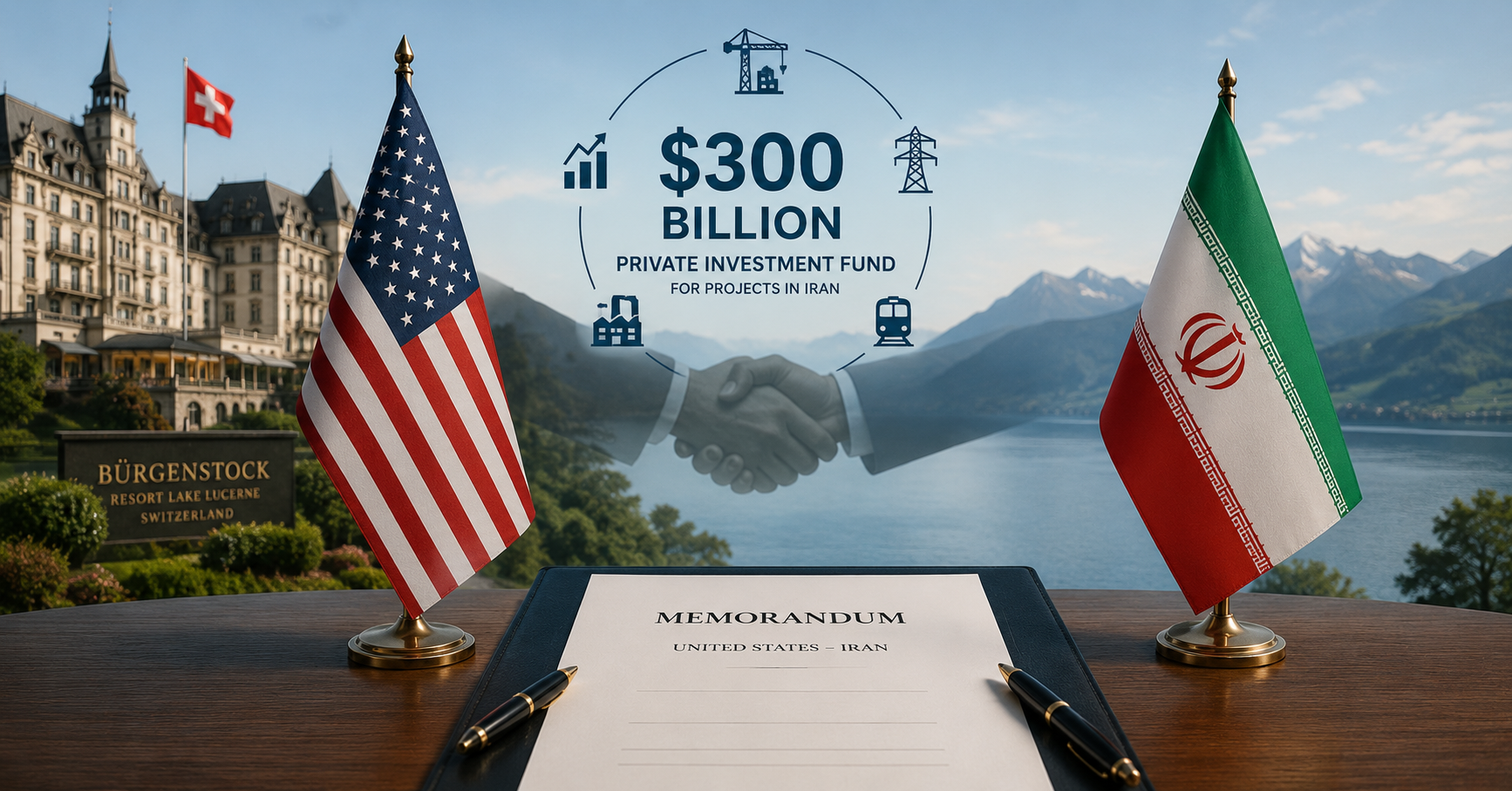
GENEVA – A proposed understanding between the United States and Iran is expected to include the establishment of a $300 billion private investment fund to support economic development projects in Iran, according to reports.

The fund is expected to become operational following the signing of a final agreement between the two countries. Reports indicate that more than half of the anticipated financial commitments have already been secured.

Investment is expected to be provided by private-sector entities from the United States, Gulf states, Asia and Africa, with no direct government funding envisaged under the initiative.

The reports further stated that the proposed investment mechanism would remain separate from Iran’s frozen assets, which are also expected to be addressed as part of a broader diplomatic process.

Separately, Switzerland’s Foreign Ministry confirmed that a ceremony for the signing of a proposed memorandum between Washington and Tehran will be held on Friday at the Bürgenstock Resort in central Switzerland.

Located near Lake Lucerne, the venue was selected for its security arrangements and privacy, making it suitable for high-level diplomatic engagement.

According to available information, the location was chosen following consultations involving mediators from Pakistan and Qatar, as well as representatives of both countries.

Iranian Parliament Speaker Mohammad Bagher Ghalibaf is expected to lead Tehran’s delegation, while US Vice President JD Vance is reported to head the American side.

Officials have stressed that the memorandum will not constitute a final agreement. Instead, it is expected to initiate a broader round of negotiations aimed at easing tensions, establishing a framework for continued dialogue and working towards a long-term resolution of outstanding issues between the two countries.

Continue Reading

Latest

Government eases used car import rules, lifts age limit restrictions

Published

on

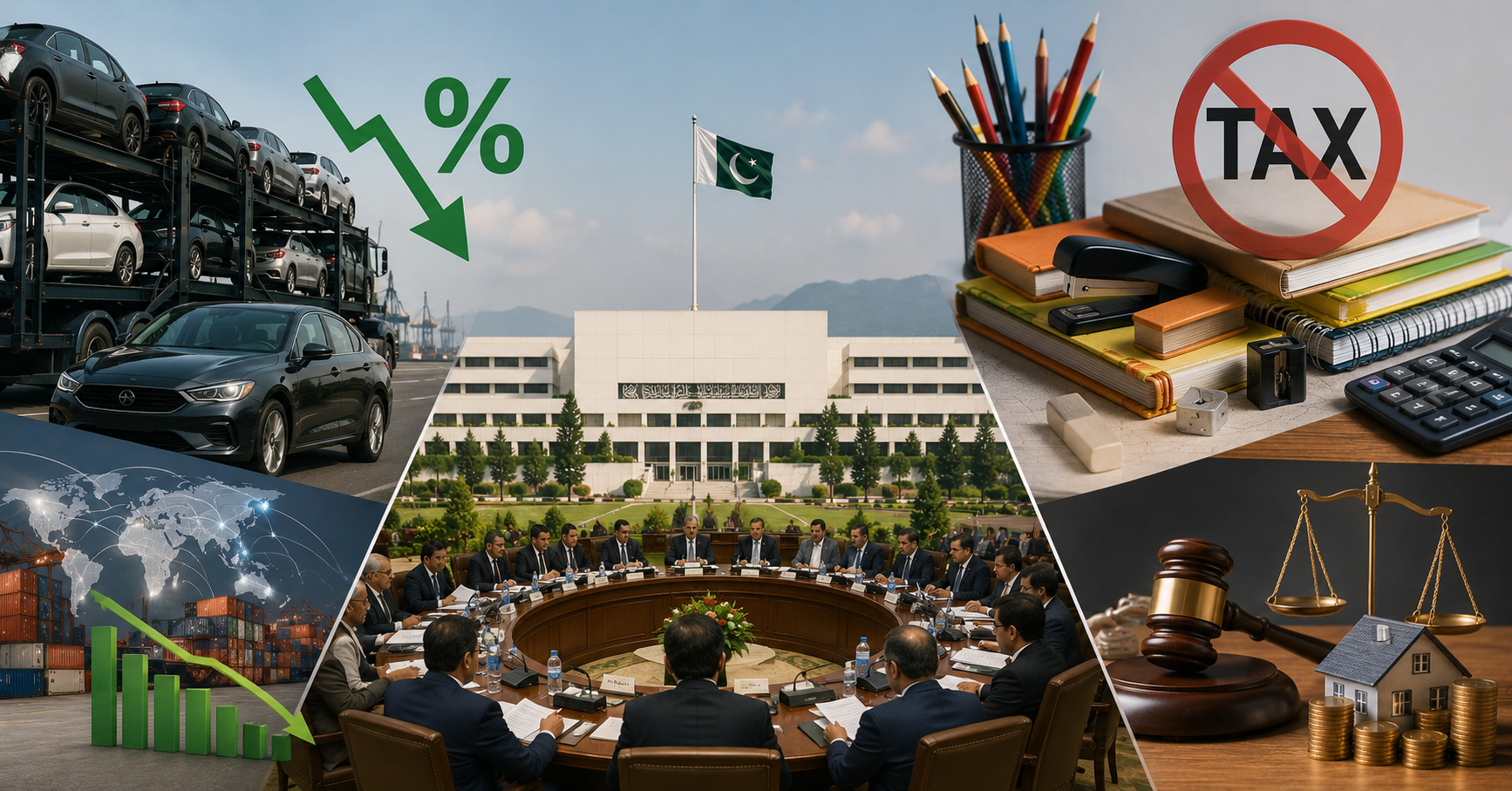
ISLAMABAD – The government informed a parliamentary committee on Tuesday that it has reduced taxes on the import of used cars and lifted the restriction on vehicle age limits, while failing to secure approval from the International Monetary Fund (IMF) for exempting stationery items such as pencils and exercise books from sales tax.

Briefing the Senate Standing Committee on Finance, Commerce Secretary Jawad Paul said that under commitments with the IMF, the restriction limiting imports to five-year-old used vehicles would be removed from July, subject to compliance with environmental standards. He added that the additional regulatory duty on imports would be reduced from 40pc to 30pc next month.

He said the relaxation in used car import restrictions was being implemented in phases in line with IMF conditions aimed at opening the market and ensuring equal opportunity for overseas sellers.

Separately, officials told the committee that proposals to exempt educational stationery from sales tax had not been accepted. Director General of the Tax Policy Office Dr Najeeb Memon said the IMF had opposed exemptions for the education sector, including stationery goods.

He said tax exemptions could not be extended to all essential items. In the last budget, an 18pc sales tax was imposed on pencils, geometry boxes, sharpeners, exercise books, and related items, significantly increasing prices.

The Finance Bill 2026-27 has retained the taxation on these items, even as other goods such as contraceptives and sanitary products have been exempted.

Finance Minister Muhammad Aurangzeb, who attended meetings of both parliamentary committees, also ruled out tax relief for the beverages sector and rejected a proposal to reduce federal excise duty by 5pc in exchange for higher revenue generation.

He further declined to provide additional tax concessions to exporters, stating that the government had already introduced relief measures, including reductions in advance income tax, abolition of super tax on exports, and concessional interest rates for exporters.

Senator Mohsin Aziz of the Pakistan Tehreek-i-Insaf (PTI) warned that existing policies could negatively affect export performance in the coming fiscal year, arguing that the tax framework remained challenging for businesses.

On the National Tariff Policy, the commerce secretary informed the committee that under a five-year reform plan, average tariffs are targeted to fall to 13pc from July. However, he said the revised average is expected to remain at 13.77pc due to slower reductions in the previous year and sectoral adjustments.

He added that regulatory duties, except on alcohol, had been reduced to 20pc. The government has retained a 90pc duty on alcohol, despite a ban on its import in the country.

The total fiscal impact of tariff reductions for the next year has been estimated at Rs143.4 billion.

Meanwhile, the National Assembly Standing Committee on Finance approved amendments granting special judges the authority to freeze the assets of under-trial accused persons under the Customs Act, including properties held in their name or through third parties.

Officials from the Federal Board of Revenue (FBR) said the provision was aimed at preventing the transfer of assets to evade confiscation. However, concerns were raised regarding safeguards for third-party holders of such assets.

The committee also approved removing the requirement for debit or credit card machines for small traders under a new fixed tax scheme. Officials said the FBR aimed to bring 100,000 large traders into the tax net, but only 37,000 had been registered so far.

The committee rejected a proposal to empower the FBR to exclude any category of traders from the definition of large traders, citing concerns over potential misuse of authority.

A decision on a proposal to impose Rs30 per unit sales tax on electricity supplied to steel melting and re-rolling mills was deferred amid divisions within the sector.

Continue Reading

Business

Restaurant sales tax on digital transactions likely to increase in Punjab

Published

on

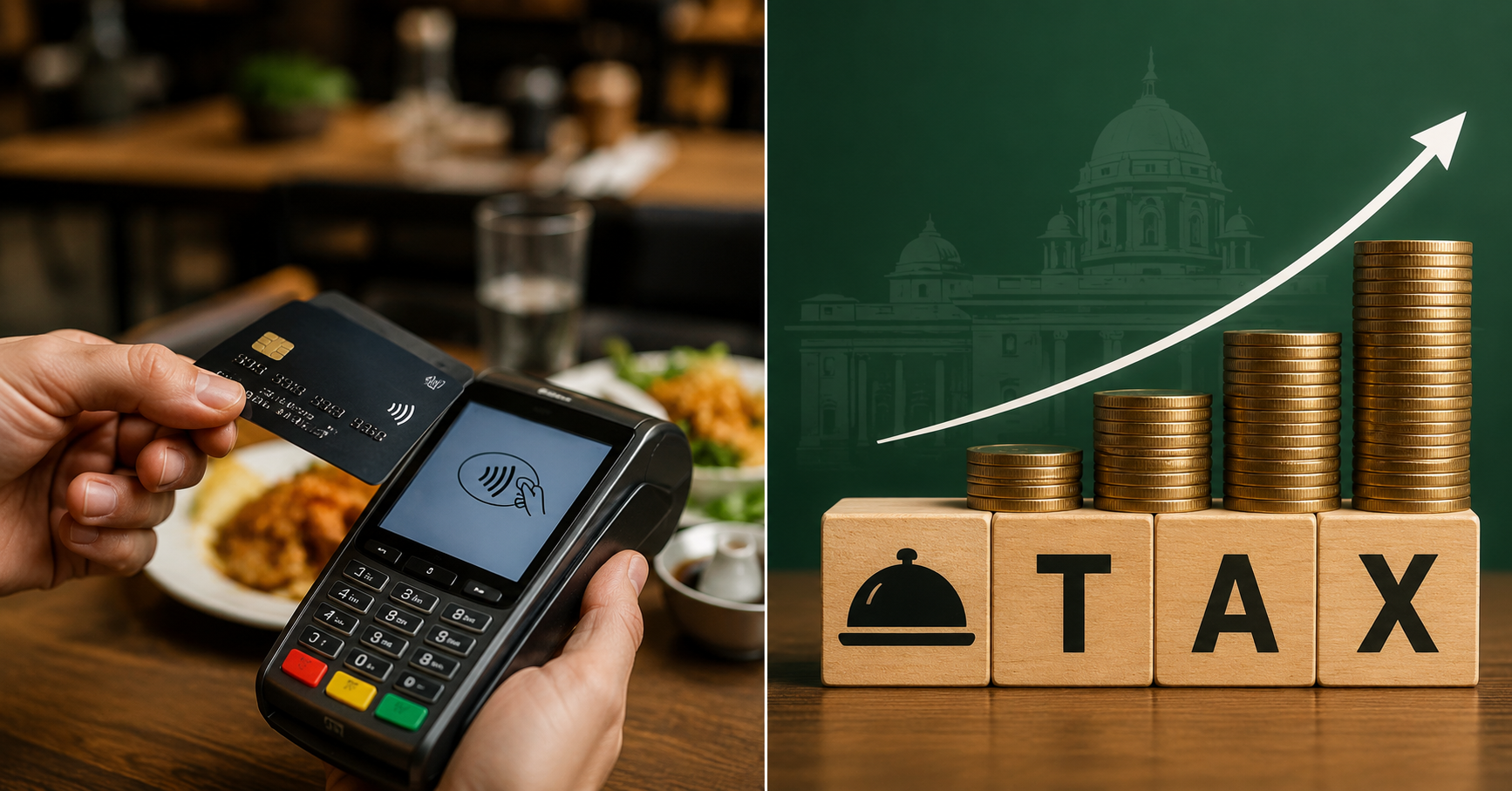
LAHORE – The Punjab government has proposed increasing the sales tax on restaurant transactions made through digital payment channels as part of the Punjab Finance Bill 2026.

Under the proposed changes, payments made through debit cards, credit cards, mobile wallets and QR codes would be taxed at 8pc, compared to the current rate of 5pc.

The bill also maintains a 16pc sales tax on transactions conducted through other payment methods.

Officials say the revised tax structure is aimed at increasing provincial revenue while continuing to encourage the use of documented payment channels in the restaurant sector.

If approved by the provincial assembly, the measure would make digitally paid dine-in and takeaway orders slightly more expensive, though they would still be subject to a lower tax rate than transactions made through non-digital means.

The existing 5pc rate was introduced to promote electronic payments and improve tax compliance. The proposed increase seeks to preserve the incentive for digital transactions while narrowing the gap between the two tax slabs.

The Punjab Finance Bill 2026 is currently under consideration and will require legislative approval before the revised rates can take effect.

Continue Reading

Trending

Copyright © 2026