
Sci&Tech
Has Android 17 brought LHDC bluetooth audio support to Google Pixel phones




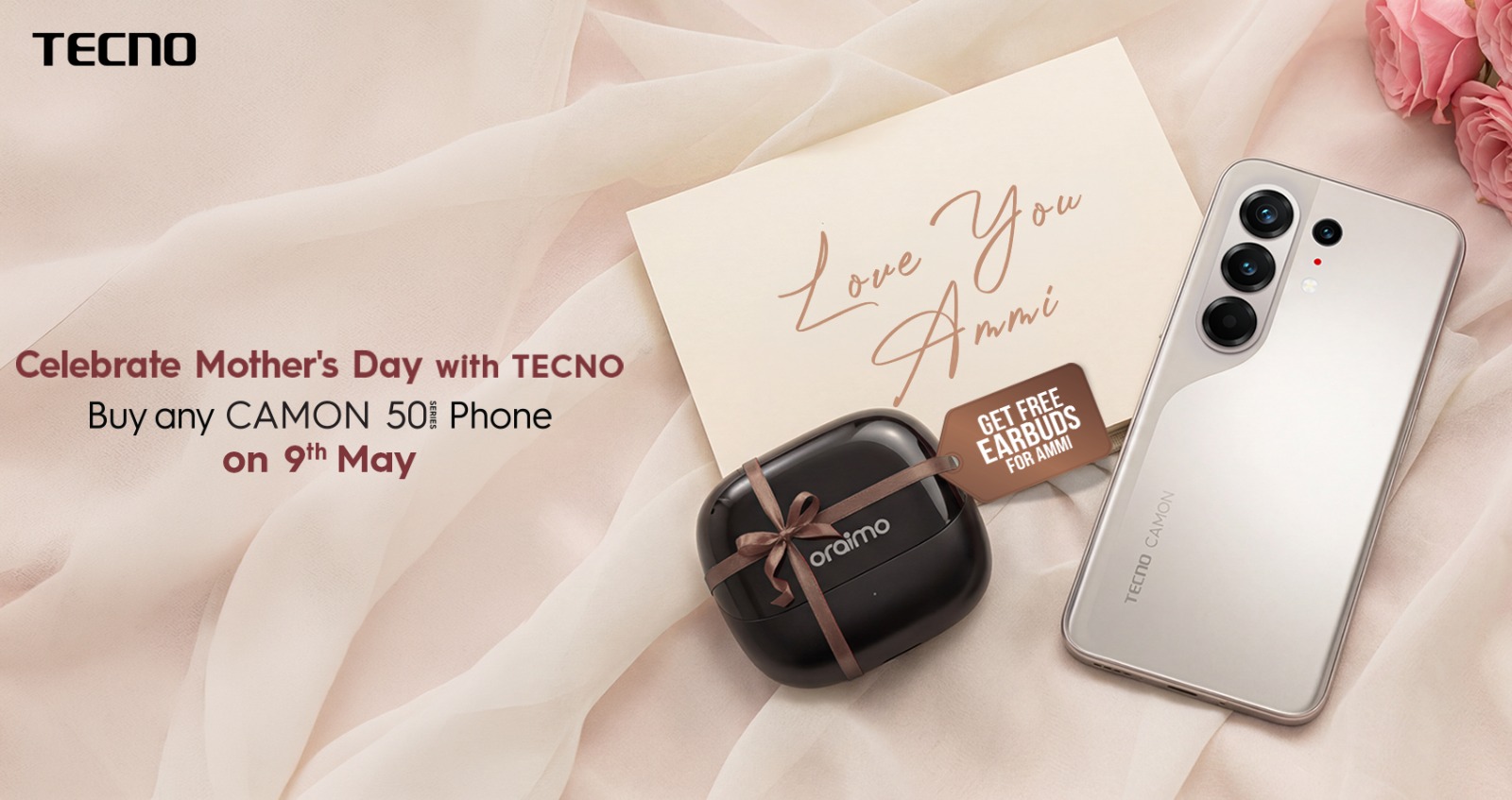
LAHORE – TECNO Pakistan has announced a special limited-time Mother’s Day campaign titled “Love You Ammi!”, offering customers a free pair of earbuds on the purchase of any smartphone from the TECNO CAMON 50 Series at selected stores across Pakistan.
The campaign is designed to celebrate Mother’s Day through meaningful gifting, combining emotional storytelling with TECNO’s photography-focused smartphone experience.

As part of the offer, customers who purchase any device from the CAMON 50 Series—including CAMON 50, CAMON 50 Pro, and CAMON 50 Ultra—on May 9, 2026, will receive complimentary earbuds as a special gift for their mothers. The offer is available at selected TECNO partner stores in Lahore, Karachi, and Rawalpindi.
Through this initiative, TECNO encourages users to celebrate their mothers by capturing and sharing meaningful moments using the CAMON 50 Series. The campaign brings together technology and emotion, reinforcing TECNO’s focus on creating real-life experiences through its devices.
To participate in the campaign, customers are required to purchase any CAMON 50 Series smartphone, take a photo with the device and the complimentary earbuds, and share it on social media. Participants must tag @TECNOMobilePakistan and use the hashtags #MothersDaywithTECNO, #CAMON50Series, and #ZoomInSnapJoy.
Through the “Love You Ammi!” campaign, TECNO Pakistan continues its commitment to creating experience-driven technology that connects users with meaningful moments beyond devices, encouraging them to celebrate and share the bond with their mothers.
The Mother’s Day offer is valid only on May 9, 2026, and is available while stocks last at selected TECNO partner stores nationwide. Terms and conditions apply.
For more information and updates, please visit TECNO Mobile Pakistan’s official social media channels.
-

 Fashion4 months ago
Kashmiri Churiyan and all you need to know about it before Eid
-
 Pakistan4 months ago
CEO CBD Punjab and Ruda Imran Amin meets with CM’s advisor Ali Mustafa Dar to discuss AI integration and tokenization.
-
 Business6 years ago
Salman Sufi Foundation announcement
-
 Sci&Tech5 years ago
How My Phone’s Most Annoying Feature Saved My Life
-
 Uncategorized6 years ago
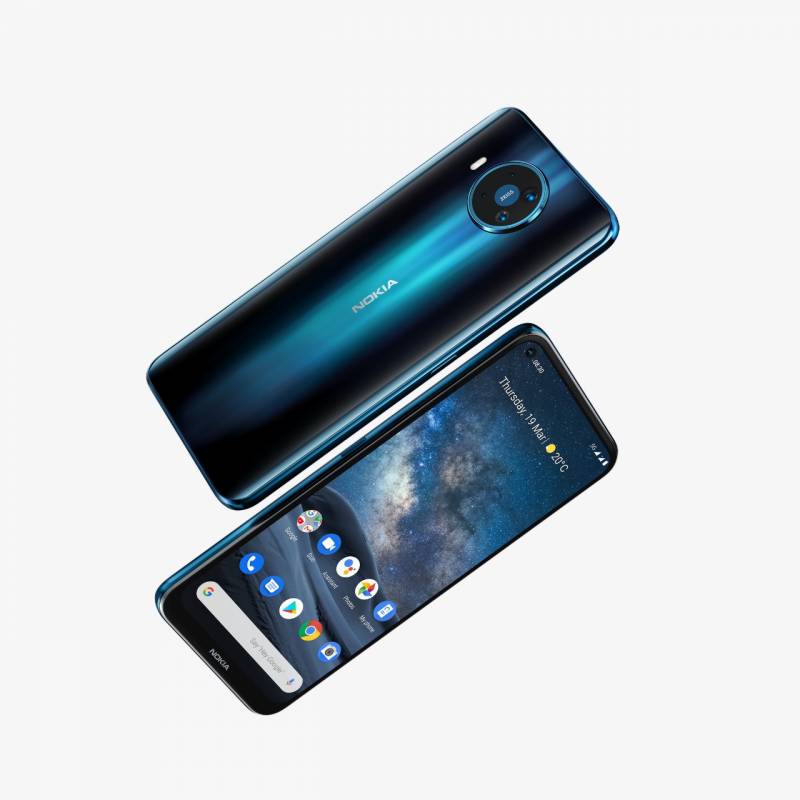
New 5G Nokia smartphone unveiled as portfolio expands – ensuring it the only gadget you will ever need
-
 Uncategorized5 years ago
Quetta based Motivational Speaker Maulana Nooruddin Agha mesmerizes students with his motivational skills
-

 Pakistan2 weeks ago
Public holidays declared for 9th and 10th Muharram across Pakistan: Details
-
 Pakistan10 months ago
Free Fire World Series Pakistan 2025, powered by Jazz GameNow, returns with a PKR 35 lakh prize pool