Connect with us

Sci&Tech

Has Android 17 brought LHDC bluetooth audio support to Google Pixel phones

Published

on

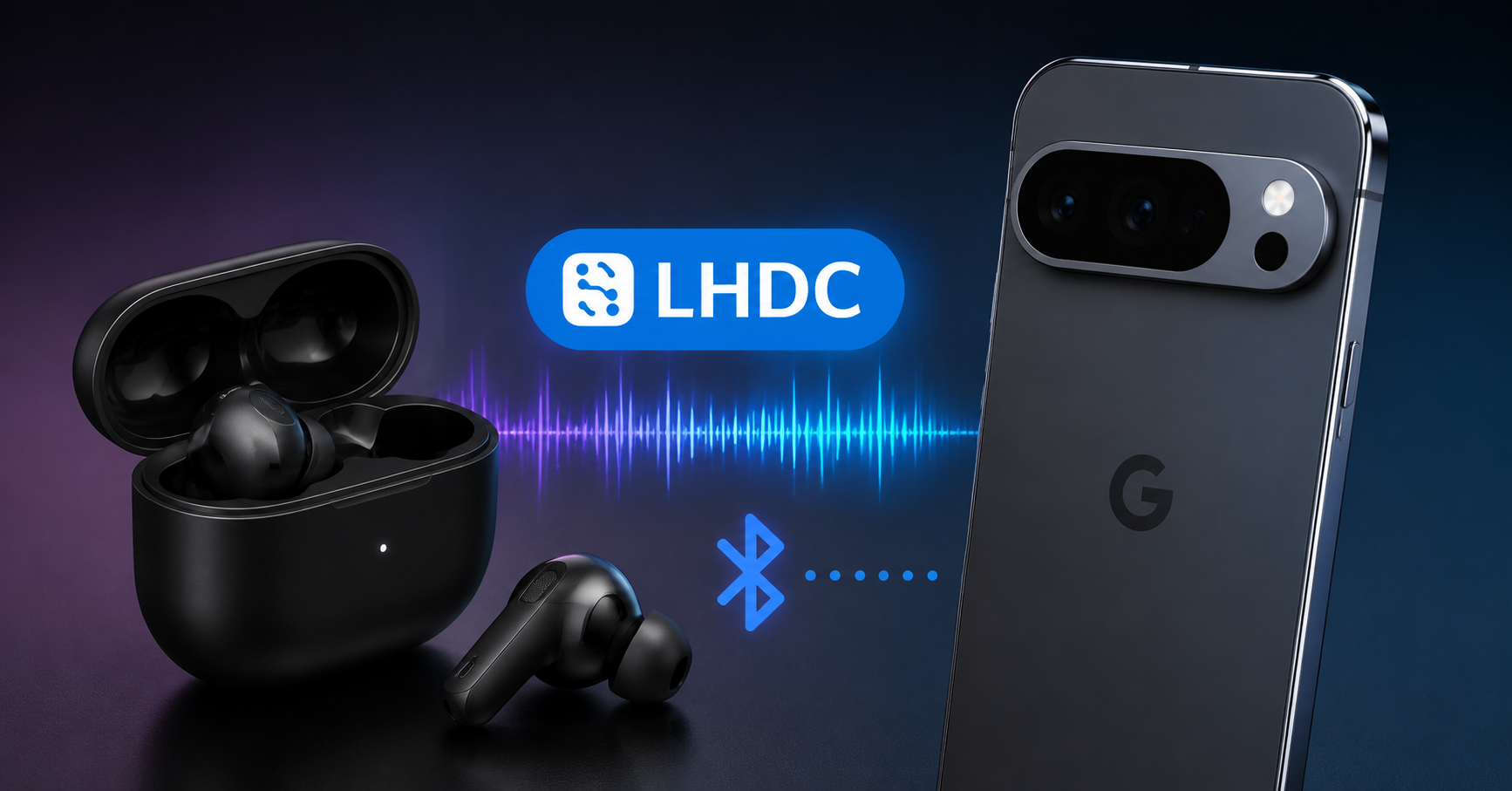
The image is AI-generated and used for illustration purposes only

KARACHI – Google has introduced support for the LHDC (Low Latency High-Definition Audio Codec) on Pixel smartphones with Android 17, giving users another option for high-quality wireless audio playback over Bluetooth.

LHDC is a Bluetooth audio codec developed to deliver higher-quality sound while maintaining low latency. Although the technology has been available since 2018 and is already supported by several Android brands, Android 17 marks its arrival on Google’s Pixel devices.

The codec was certified by the Japan Audio Society (JAS) for Hi-Res Audio Wireless in 2024, joining other high-quality Bluetooth codecs such as LDAC and aptX Adaptive.

High-quality audio over Bluetooth

LHDC supports multiple audio modes, including playback at up to 24-bit/96kHz on Google Pixel devices. Some Android smartphones from other manufacturers can support playback up to 24-bit/192kHz using compatible hardware.

However, despite its Hi-Res certification, LHDC does not provide true lossless high-resolution audio over Bluetooth. Bluetooth bandwidth limitations mean audio must still be compressed before transmission.

Like other advanced Bluetooth codecs, LHDC uses variable bitrates that can range from around 160 kbps to 1,000 kbps. The bitrate automatically adjusts depending on the quality of the wireless connection to reduce interruptions during playback.

Performance depends on connection quality

The quality of Bluetooth audio is influenced by environmental conditions, including wireless interference and the distance between connected devices.

As a result, LHDC can lower its bitrate in crowded or signal-heavy environments to maintain a stable connection. While this helps prevent audio dropouts, it may also reduce overall sound quality compared to ideal listening conditions.

Device compatibility

To use LHDC, both the smartphone and the connected audio device must support the codec.

Android smartphones from several Chinese manufacturers already offer LHDC support, and Android 17 now extends compatibility to Google’s latest Pixel devices. However, Samsung Galaxy smartphones and Apple’s iPhone lineup currently do not support the codec.

Similarly, not all wireless earbuds are compatible. Products such as the OnePlus Buds Pro series and Nothing Ear (2) support LHDC, while Google’s own Pixel Buds Pro 2 do not.

Users can verify or manually select the Bluetooth codec through Android’s Developer Options, although the operating system typically chooses the most suitable codec automatically.

Streaming and audio sources

LHDC can be used with locally stored FLAC files as well as high-resolution music streaming services. Even when listening to standard CD-quality or high-bitrate compressed audio, the codec can help preserve audio quality by reducing unnecessary recompression during Bluetooth transmission.

While Android 17’s addition of LHDC does not replace existing codecs such as LDAC or LC3, it expands compatibility with a wider range of wireless headphones and earbuds, offering Pixel users another option for high-quality Bluetooth audio.

Continue Reading

Sci&Tech

RAM, SSD price surge threatens cheaper PCs and smartphones

Published

on

KARACHI – Consumer memory and storage prices rose sharply during the second quarter of 2026 as ongoing supply constraints continued to affect key components used in smartphones, personal computers and other electronic devices.

According to data released by market research firm Sigmaintell, prices of several dynamic random-access memory (DRAM) and storage products recorded substantial quarter-on-quarter increases, extending a trend that began in the second half of 2025.

The average price of a 16Gb DRAM component rose from $19.20 in the first quarter to $28.50 in the second quarter, an increase of nearly 49 per cent. Meanwhile, the price of a 16GB DDR4 module climbed 51pc to $207.10 from $137.

Low-power memory products used in smartphones saw even steeper increases. A 32Gb LPDDR component rose 75pc to $45.90, while a 96Gb LPDDR5X component surged 89pc to $145.90, marking the largest increase among the DRAM products tracked in the report.

Storage products also recorded significant price increases. The cost of a 512GB PCIe Gen 4 NVMe SSD rose 54pc to $126.30, while 256GB UFS 3.1 storage more than doubled in price, increasing 103pc to $62.70. The price of a 16GB eMMC 5.1 component rose 69pc to $22.60.

The sharpest overall increase was reported for uMCP memory and storage packages, widely used in smartphones and tablets, whose price rose 107pc from $72.50 to $150.40.

Industry analysts attribute the shortages to a shift in manufacturing priorities by memory producers, many of whom have redirected production capacity towards higher-margin products such as high-bandwidth memory (HBM), server DRAM and enterprise-grade solid-state drives used in artificial intelligence data centres and cloud infrastructure.

The reallocation of production capacity has reduced supplies of consumer-focused memory products, including DDR, LPDDR and NAND flash components, contributing to sustained price increases across the electronics sector.

Manufacturers have already passed some of the higher costs on to consumers through increased prices for laptops, smartphones and gaming devices. Analysts warn that the supply-demand imbalance could persist for several years, with some forecasts suggesting shortages may continue until 2028.

As a result, memory and storage prices are expected to remain elevated, adding further pressure to the cost of consumer electronics worldwide.

Continue Reading

Sci&Tech

WhatsApp’s encryption verification may reveal if a contact has blocked you

Published

on

LAHORE – WhatsApp users may have found a new way to determine whether they have been blocked by a contact without sending a message or placing a call, using the platform’s encryption-verification feature.

The method relies on WhatsApp’s automatic security-code verification system, which was introduced to simplify the process of confirming that conversations remain protected by end-to-end encryption.

While several commonly cited indicators — such as a missing profile picture, undelivered messages or unsuccessful calls — are often associated with being blocked, none of these signs provides definitive proof. Changes to privacy settings, device replacements or connectivity issues can produce similar outcomes.

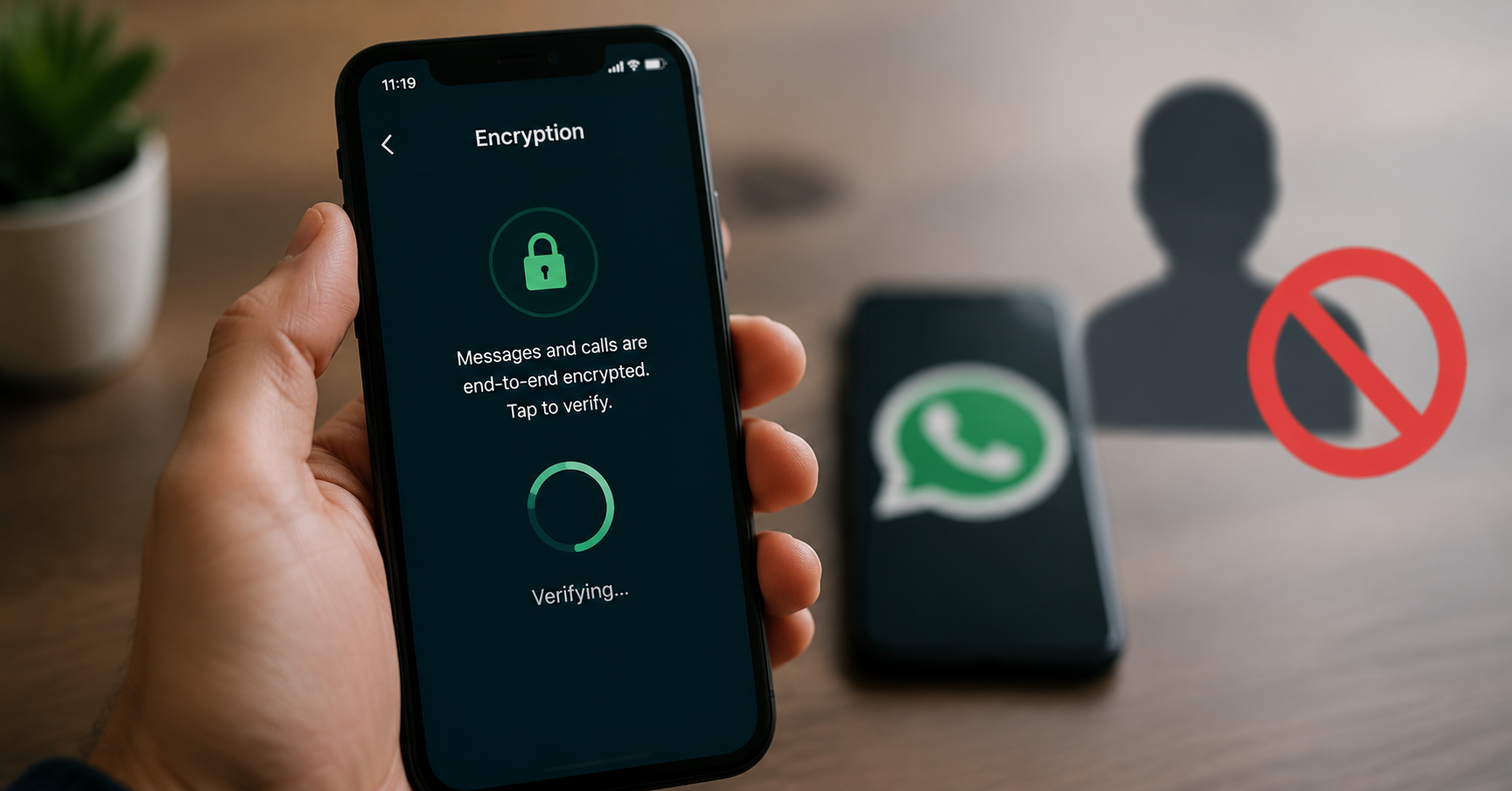
The newer approach centres on WhatsApp’s encryption-verification tool, available through a contact’s chat information page.

Each WhatsApp conversation is secured using unique encryption keys that can change when a user reinstalls the application, switches devices or links an additional device to their account. The platform allows users to verify the integrity of these keys through the Encryption section within a chat.

According to reports circulating online, the automatic verification process may repeatedly fail in conversations where a user has been blocked.

To perform the check, users can open a conversation, tap the contact’s name to access chat information and select the Encryption option. WhatsApp then attempts to verify the conversation automatically.

If the verification is completed successfully, it is generally considered a sign that the contact has not blocked the user. However, if the application repeatedly fails to complete the process and suggests using an alternative verification method, some users believe it could indicate that a block has been applied.

WhatsApp has not officially described the feature as a tool for detecting blocks, and the company has not confirmed any link between failed verification attempts and blocking.

Experts caution that automatic verification may also fail because of temporary connectivity problems, recent changes to encryption keys or other technical factors unrelated to blocking.

As a result, users are advised to treat the method as a possible indicator rather than conclusive evidence. WhatsApp could also modify the verification system in future updates, potentially affecting how the feature behaves.

Continue Reading

Sci&Tech

TECNO Pakistan celebrates mother’s day with special CAMON 50 Series Offer

Published

on

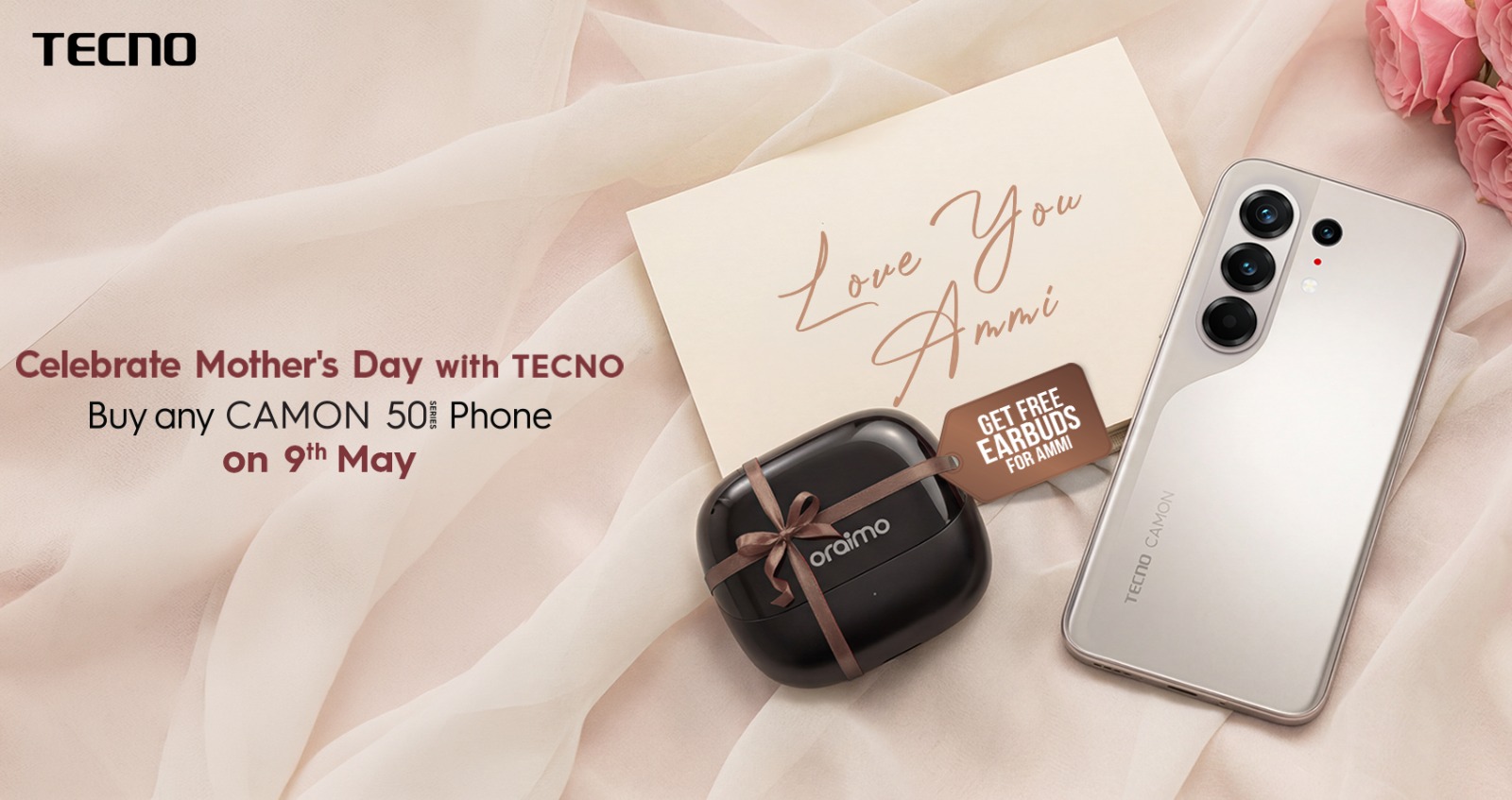
LAHORE – TECNO Pakistan has announced a special limited-time Mother’s Day campaign titled “Love You Ammi!”, offering customers a free pair of earbuds on the purchase of any smartphone from the TECNO CAMON 50 Series at selected stores across Pakistan.

The campaign is designed to celebrate Mother’s Day through meaningful gifting, combining emotional storytelling with TECNO’s photography-focused smartphone experience.

As part of the offer, customers who purchase any device from the CAMON 50 Series—including CAMON 50, CAMON 50 Pro, and CAMON 50 Ultra—on May 9, 2026, will receive complimentary earbuds as a special gift for their mothers. The offer is available at selected TECNO partner stores in Lahore, Karachi, and Rawalpindi.

Through this initiative, TECNO encourages users to celebrate their mothers by capturing and sharing meaningful moments using the CAMON 50 Series. The campaign brings together technology and emotion, reinforcing TECNO’s focus on creating real-life experiences through its devices.

To participate in the campaign, customers are required to purchase any CAMON 50 Series smartphone, take a photo with the device and the complimentary earbuds, and share it on social media. Participants must tag @TECNOMobilePakistan and use the hashtags #MothersDaywithTECNO, #CAMON50Series, and #ZoomInSnapJoy.

Through the “Love You Ammi!” campaign, TECNO Pakistan continues its commitment to creating experience-driven technology that connects users with meaningful moments beyond devices, encouraging them to celebrate and share the bond with their mothers.

The Mother’s Day offer is valid only on May 9, 2026, and is available while stocks last at selected TECNO partner stores nationwide. Terms and conditions apply.

For more information and updates, please visit TECNO Mobile Pakistan’s official social media channels.

Continue Reading

About

Upfront influence about 20 million users and is the number one business and technology news network on the planet


© 2022 upfront. All Rights Reserved.

Trending

Copyright © 2026

Exit mobile version