

World
FBI on High alert after Iranian Hackers Claim major breach of Trump Allies’ e-mails
















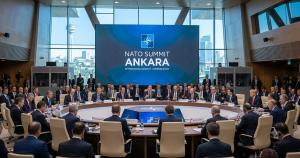

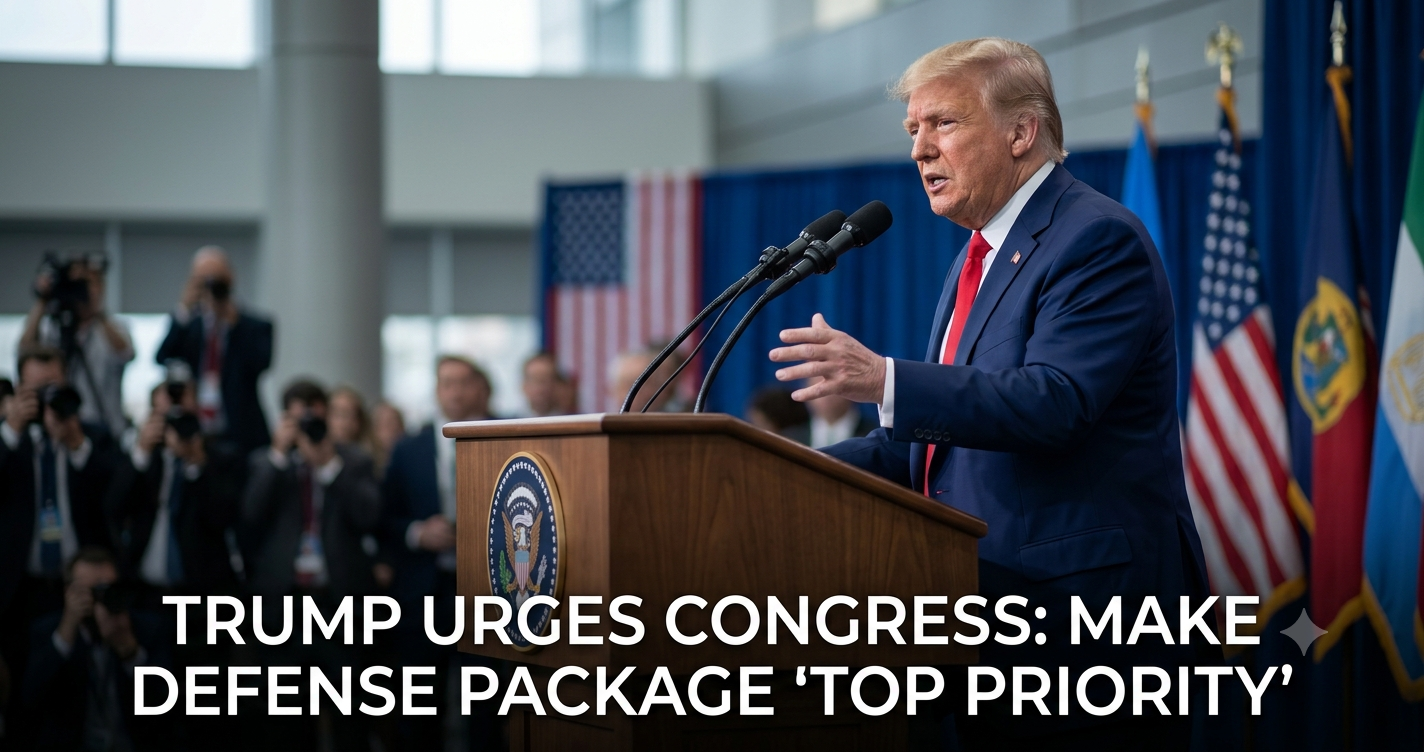
ISLAMABAD – The highly anticipated NATO Summit in Ankara officially opened today. The meeting brings together global leaders from across the alliance. These heads of state want to address critical security challenges. US President Donald Trump has already arrived in the Turkish capital. This crucial meeting comes at a time of heightened regional security concerns.
On Monday, Turkish President Recep Tayyip Erdoğan met with NATO Secretary General Mark Rutte. This meeting helped preview the grand event. The leaders quickly finalized the official summit agenda. They also discussed current global security issues.
According to official statements, collective defense is the main focus of the talks. Leaders will also prioritize expanding cooperation. They want deeper ties within the global defense industry.
Billions in New Defense Spending
A major highlight of the NATO Summit in Ankara is defense production. NATO Secretary General Mark Rutte made a big announcement. He stated that the alliance will unveil tens of billions of dollars in new military contracts.
“We will announce tens of billions in new contracts that will provide the crucial kit we need to deter and defend,” Rutte stated ahead of the opening session.
These major contract announcements aim to reassure the United States. European allies want to show they are sharing more of the defense burden. For a deeper look at global military expenditures, readers can view the latest international defense tracking metrics on the Stockholm International Peace Research Institute Portal.
Allies Push Toward Ambitious 5% GDP Goal
During the historic NATO Summit in Ankara, member nations will present concrete plans. These credible plans will show how they intend to scale up national defense budgets. The alliance is working toward an ambitious long-term goal. They want member states investing 5% of their gross domestic product (GDP) into defense by the year 2035.
Progress toward this target has already accelerated over the last year. European allies and Canada are currently investing an average of 4% of their GDP into security initiatives. Analysts believe the meetings in Turkey will lock in these commitments for the next decade.

-
 Fashion4 months ago
Kashmiri Churiyan and all you need to know about it before Eid
-
 Pakistan4 months ago
CEO CBD Punjab and Ruda Imran Amin meets with CM’s advisor Ali Mustafa Dar to discuss AI integration and tokenization.
-
 Business6 years ago
Salman Sufi Foundation announcement
-
 Sci&Tech5 years ago
How My Phone’s Most Annoying Feature Saved My Life
-
 Uncategorized6 years ago
New 5G Nokia smartphone unveiled as portfolio expands – ensuring it the only gadget you will ever need
-
 Uncategorized5 years ago
Quetta based Motivational Speaker Maulana Nooruddin Agha mesmerizes students with his motivational skills
-
 Pakistan2 weeks ago
Public holidays declared for 9th and 10th Muharram across Pakistan: Details
-
 Pakistan10 months ago
Free Fire World Series Pakistan 2025, powered by Jazz GameNow, returns with a PKR 35 lakh prize pool


