Connect with us

Business

Swyft Logistics becomes the first Pakistani company to introduce paid period leaves calling it Monthlies

Published

on

Swyft Logistics becomes the first Pakistani company to introduce paid period leaves calling it Monthlies

Fostering a culture of trust, truth, and acceptance Swyft Logistics becomes the first company in Pakistan to introduce a Period Policy. Starting today, all women at Swyft can avail up to 12 days of period leaves in a year.

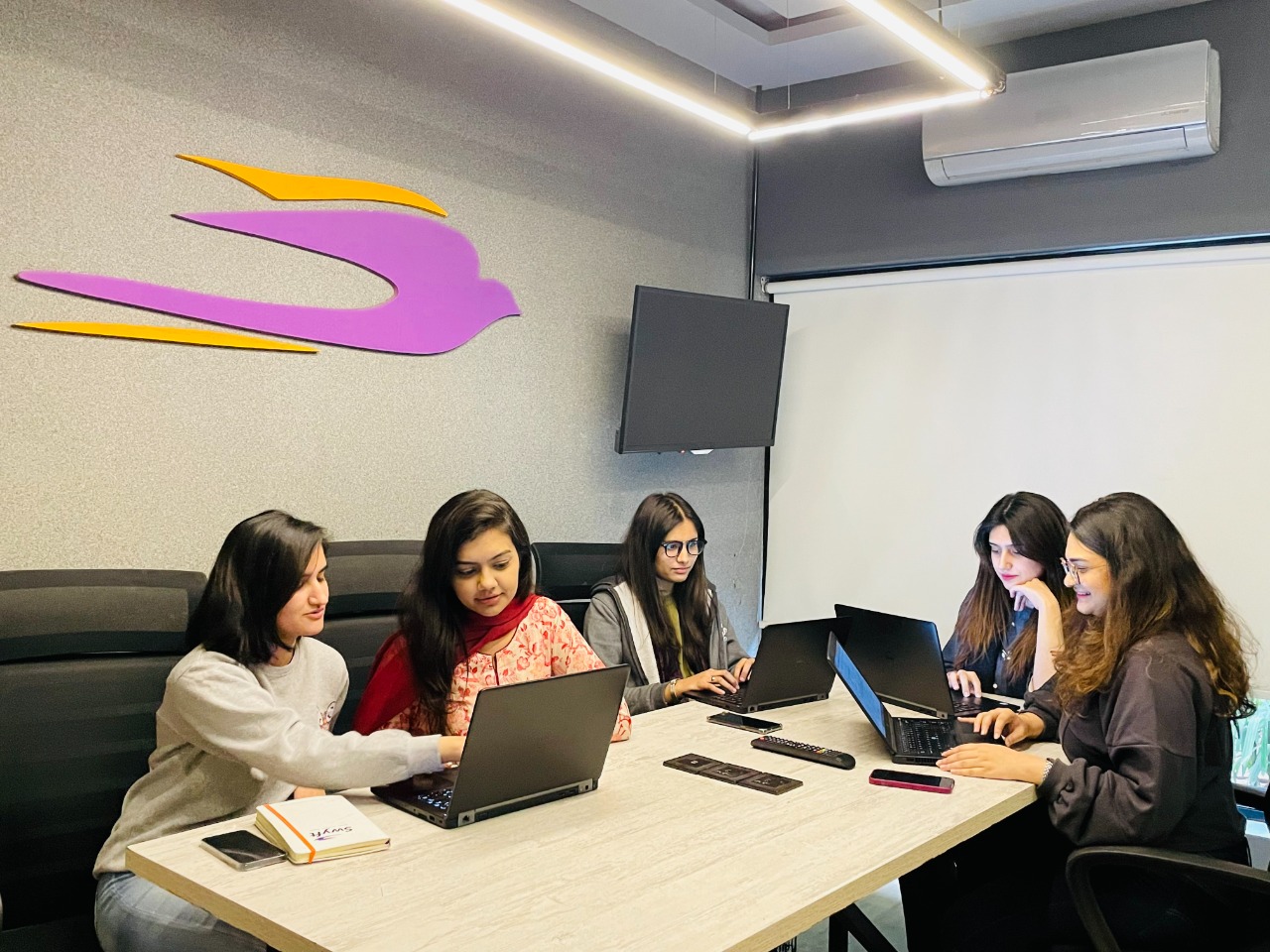
Swyft logistics, a two-year-old tech-based logistics startup with a 30% female workforce has created a “period policy” calling it “Monthlies” to allow employees to take time off during their periods without having to pretend they’re “sick” or face the stigma that lingers around menstruation

Muhammad Uns, CEO of Swyft, said that the policy was specifically designed to combat that stigma:

“I have managed many female members of staff over the years and I have seen women at work who are bent over double because of the pain caused by their periods. Despite this, they feel they cannot go home because they do not class themselves as unwell.“And this is unfair. At Swyft Logistics we are very understanding. If someone is in pain – no matter what kind – they are encouraged to go home. But, for us, we wanted a policy in place which recognises and allows women to take time for their body’s natural cycle without putting this under the label of illness.”

More than just another leave policy, Swyft’s period policy encourages women to take time off as needed and discourages reluctance to speak openly about their bodies. It’s specifically designed to reshape the workplace conversation about bodies; to force us to acknowledge that we aren’t just thinking machines, we’re biological machines with complex processes and cycles. Part of the logic of Swyft’s policy is that productivity is affected by everything going on in your body, not just how many superfoods you had for breakfast or how many hours of sleep you got last night. Research shows that womens’ productivity ebbs and flows in relation to their menstrual cycle – so workplaces should work with that natural flow, rather than against it.

In addition to creating a workplace that’s more understanding of the body’s natural cycles, Swyft wants to reduce stigma and end the perception of menstruation as an illness. Sure you could use your sick leave to take a day off as needed, but should you have to take a sick day when you’re not sick? Menstruation isn’t a state of illness or aberrance – it’s an ordinary biological process.

Swyft is the first and only company in Pakistan to provide a flex-time or leave program specifically designed with menstruation in mind i.e., pre-approved 12 annual leaves calling it “MONTHLIES”.

Continue Reading
Click to comment

You must be logged in to post a comment Login

Leave a Reply

Gold

Today’s gold rates in Pakistan – June 27, 2026

Published

on

KARACHI – On June 27, 2026, gold prices in Pakistan decreased, following the downward trend in international markets.

According to the Saraffa Association, the price of 24-karat gold per tola decreased to Rs 434,500 after a fall of Rs 1500, while the rate for 10 grams was Rs 372,520.


Today’s Gold and Silver Rates in Major Cities
City Gold Rate Silver Rate
Karachi PKR 434,500 PKR 3,830
Lahore PKR 434,550 PKR 3,830
Islamabad PKR 434,600 PKR 3,830
Peshawar PKR 434,650 PKR 3,830
Quetta PKR 434,700 PKR 3,830
Sialkot PKR 434,500 PKR 3,830
Hyderabad PKR 434,500 PKR 3,830
Faisalabad PKR 434,500 PKR 3,830
Multan PKR 434,500 PKR 3,830

Note: It is pertinent to mention here that Upfront News in no way claims these rates to be accurate at all times, as the prices can continuously vary.

Continue Reading

Forex

Today’s currency exchange rates in Pakistan – June 27, 2026

Published

on

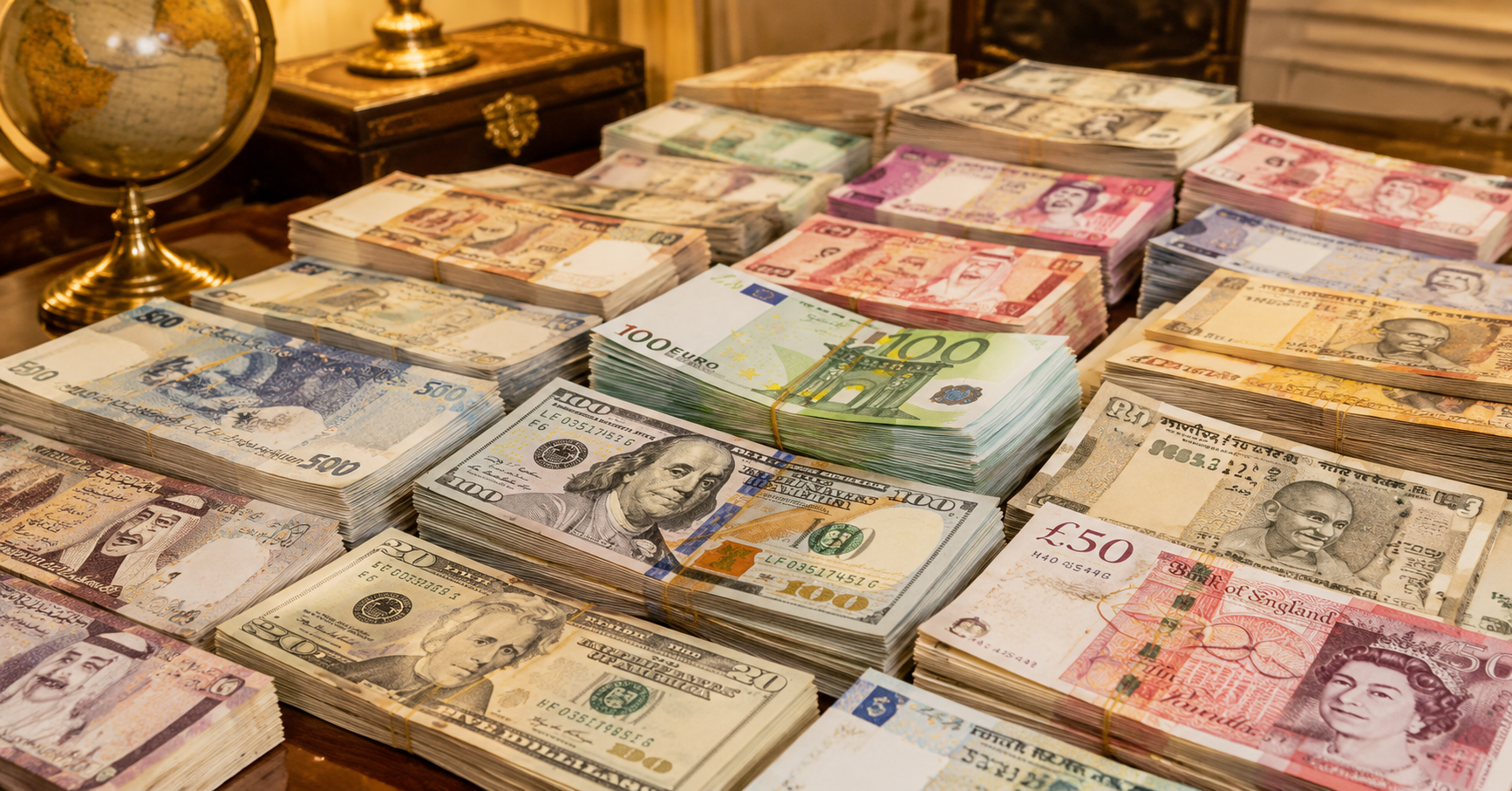
KARACHI – Foreign currency exchange rates for US Dollar, Saudi Riyal, UK Pound Sterling, U.A.E. Dirham, Euro, and other currencies in Pakistan open market on June 27, 2026. The US Dollar’s buying rate stands at Rs 279.05, and the selling rate at Rs 279.3.

Several other currencies, which include the Australian Dollar (AUD), Canadian Dollar (CAD), Chinese Yuan (CNY), Danish Krone (DKK), Japanese Yen (JPY), Kuwaiti Dinar (KWD), Malaysian Ringgit (MYR), New Zealand Dollar (NZD), and Swiss Franc (CHF), showed no significant change in their rates compared to the previous update.

Currency Symbol Buying Selling Charts
Australian Dollar AUD 193.37 196.95 📊
Bahrain Dinar BHD 737.16 747.75 📊
Canadian Dollar CAD 197.52 201.17 📊
China Yuan CNY 38.1 38.85 📊
Danish Krone DKK 43.35 43.75 📊
Euro EUR 318.55 322.17 📊
Hong Kong Dollar HKD 35.06 36.04 📊
Indian Rupee INR 2.75 3.05 📊
Japanese Yen JPY 1.71 1.81 📊
Kuwaiti Dinar KWD 885.17 895.9 📊
Malaysian Ringgit MYR 67 67.85 📊
NewZealand $ NZD 157.64 161.65 📊
Norwegians Krone NOK 27.97 28.27 📊
Omani Riyal OMR 722.25 732.5 📊
Qatari Riyal QAR 75.04 75.95 📊
Saudi Riyal SAR 74.3 74.95 📊
Singapore Dollar SGD 213.9 217.64 📊
Swedish Korona SEK 30.25 30.55 📊
Swiss Franc CHF 342.45 346.2 📊
Thai Bhat THB 8.5 8.75 📊
U.A.E Dirham AED 75.9 76.75 📊
UK Pound Sterling GBP 368.52 372.25 📊
US Dollar USD 279.05 279.3 📊

Note: The rates may vary due to the continuous fluctuations in the market.

Continue Reading

Business

Oil industry alleges OGRA miscalculated latest petroleum prices

Published

on

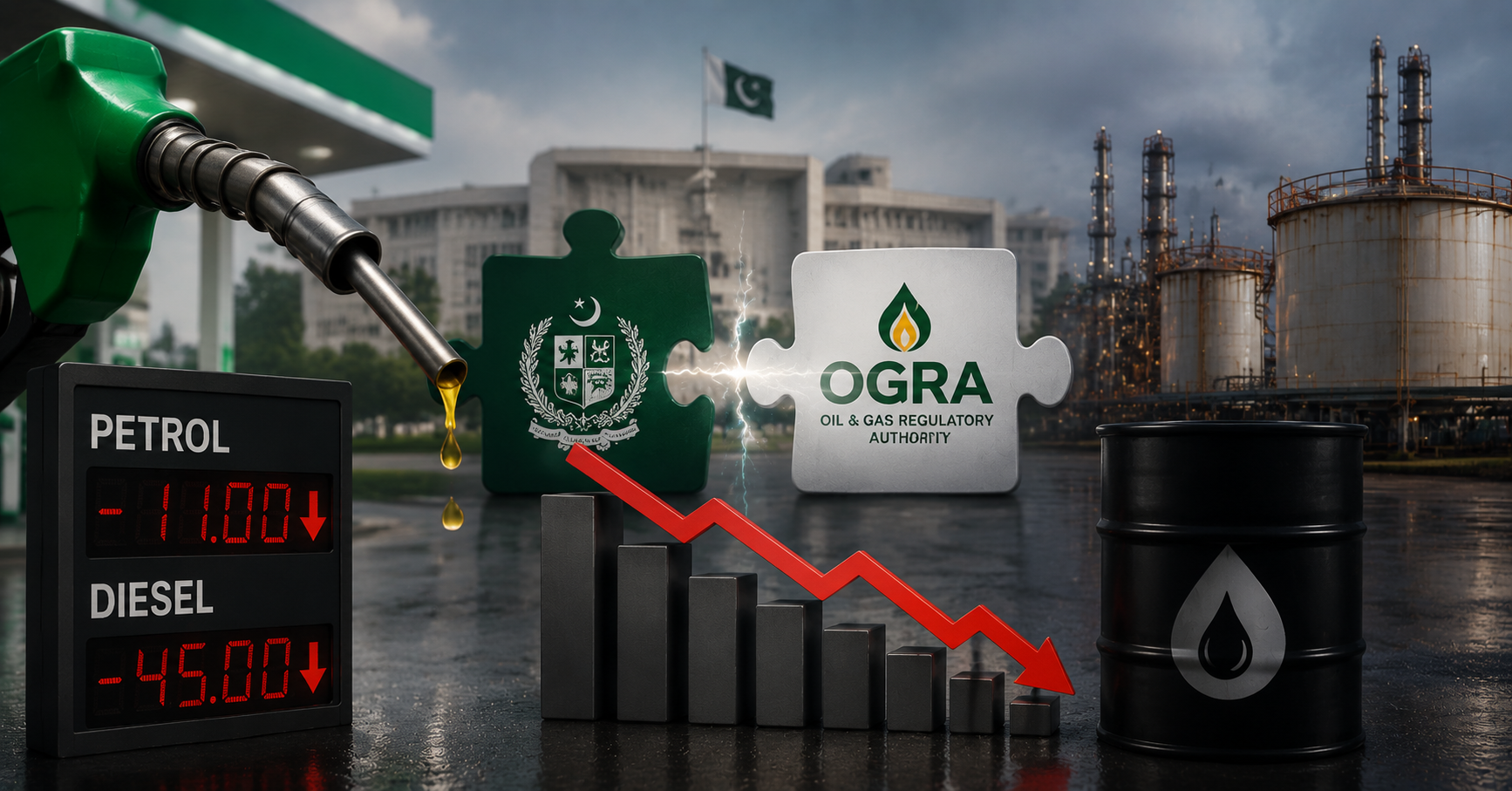
ISLAMABAD: A dispute has emerged between the petroleum industry and the government after oil marketing companies (OMCs) and refineries, alleged that the Oil and Gas Regulatory Authority (OGRA) made errors in calculating the latest reduction in petroleum prices.

According to industry representatives, OGRA did not accurately account for international fuel premiums and Platts benchmark averages during the latest fortnightly price review. They claim the alleged miscalculation resulted in a reduction of nearly Rs45 per litre in the price of high-speed diesel and around Rs11 per litre in petrol beyond what they consider justified.

The OMCs and refineries contend that the regulator failed to fully incorporate prevailing import premiums and benchmark prices used to determine the cost of imported petroleum products, imposing financial losses on the downstream oil sector.

The allegations have intensified tensions between the petroleum industry and the regulator, with industry stakeholders calling for a review of the pricing calculations.

OGRA had not publicly responded to the allegations at the time of filing, and the claims made by OMCs and refineries could not be independently verified.

Meanwhile, reports suggest consumers may receive another reduction in petroleum prices in the next fortnight. According to official sources, OGRA has forwarded a summary to the prime minister proposing a cut of between Rs20 and Rs50 per litre in line with declining international crude oil prices.

The proposed reduction follows last week’s sharp decrease in fuel prices, when the government lowered the prices of petroleum products by as much as Rs74 per litre amid continued weakness in global oil markets.

Continue Reading

Trending

Copyright © 2026