Pakistan
Punjab sales tax: Digital payments face tax increase

Key Points:
-
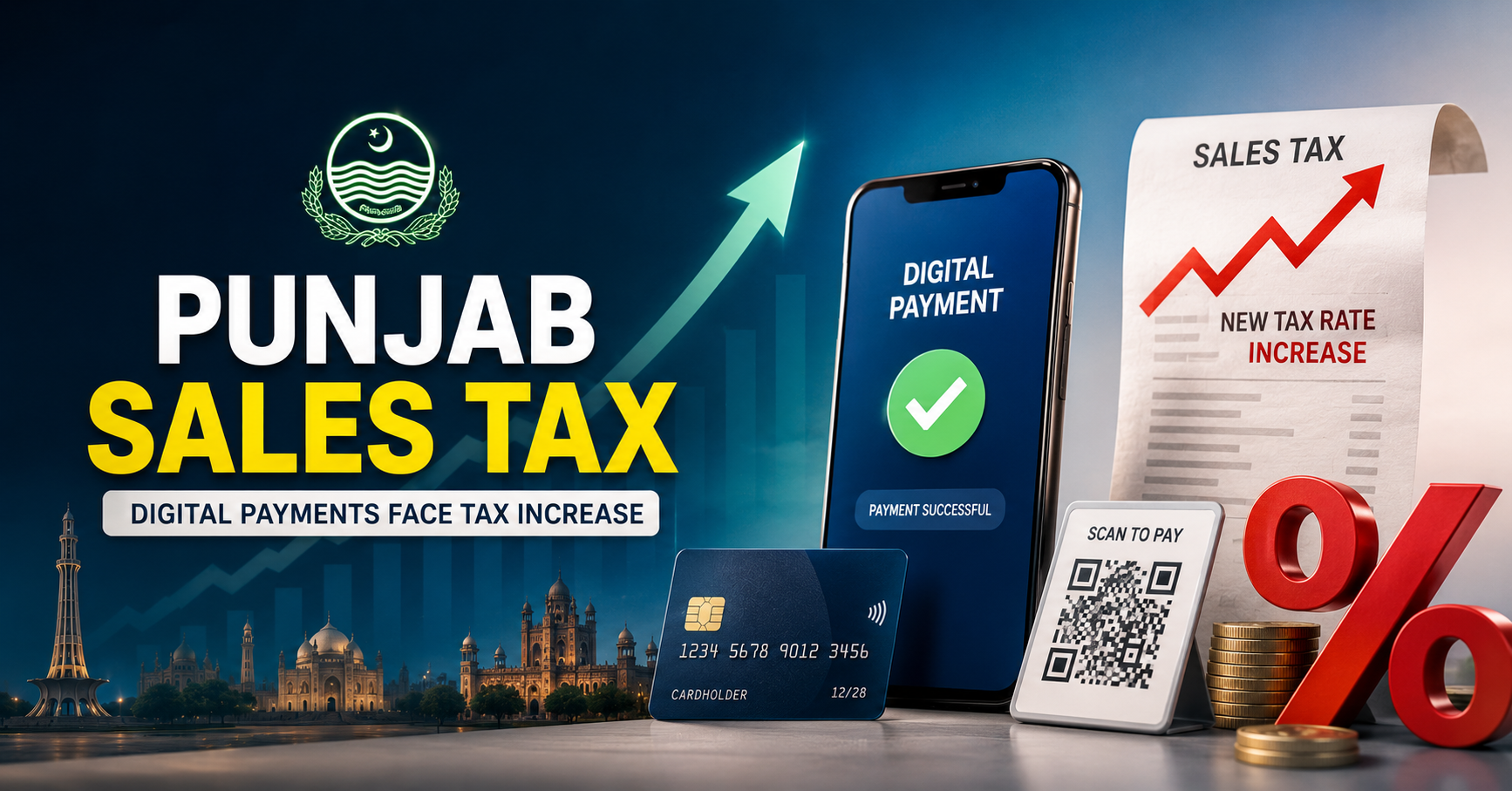
Tax Rate Increased: The Punjab government has officially raised the sales tax rate on electronic transactions from 5 percent up to 8 percent.
-
Relief Claims Challenged: Consequently, independent financial analysts have openly challenged official marketing campaigns that labeled the shift as a 50 percent tax relief.
-
Cash Versus Digital: Under the newly enforced structure, digital transactions incur an 8 percent GST. Meanwhile, traditional cash payments face a higher 16 percent GST.
-
Documentation Goals Impacted: This development creates friction for state initiatives. Specifically, it complicates plans aimed at boosting documented economic activities across the province.
LAHORE – The Government of Punjab faces intense public scrutiny after launching a controversial tax marketing campaign. Specifically, official advertisements promoted a major tax relief initiative for consumers. However, independent analysts quickly discovered that the policy actually includes a notable Punjab digital payment tax hike.
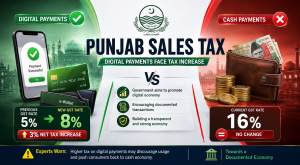
This Image is Ai generated and used for Illustration purposes only.
According to tax expert Amer Sharif, the official narrative frames the policy as a 50 percent reduction by comparing the 8 percent digital GST directly against the 16 percent cash transaction rate. Nevertheless, this strategic comparison conveniently overlooks the fact that the baseline rate for electronic payments climbed from 5 percent to 8 percent. Therefore, digital consumers are paying more tax than they did under the previous framework.
New Tax Structure Creates Financial Friction
Under the revised provincial regulations, citizens utilizing debit cards, credit cards, or mobile wallets will face an 8 percent GST. Conversely, individuals opting for traditional cash transactions will be charged a steep 16 percent GST.
Provincial GST Rate Comparison
| Transaction Method | Previous GST Rate | New GST Rate (2026) | Official Policy Framing | Actual Consumer Impact |
| Digital Payments | 5% | 8% | 50% Reduction vs. Cash | 3% Net Tax Increase |
| Cash Transactions | 16% | 16% | Standard Benchmark | No Rate Change |
State Documentation Goals Suffer Setback
Originally, provincial authorities designed the differential pricing model to discourage cash hoarding. Furthermore, the strategy aimed to bring more retail transactions into the formal, documented economy. While financial experts widely agree that documenting transactions is a progressive step, the execution of this specific policy has drawn criticism.
Ultimately, increasing the tax burden on compliant digital users contradicts the core goal of digital migration. Because consumers now face higher costs for electronic payments, the policy might accidentally push citizens back toward undocumented cash transactions.
Did the Punjab government decrease taxes on digital payments?
No. Although official campaigns compare it favorably to cash, the tax rate on digital payments actually rose from 5 percent to 8 percent.
What is the current GST rate for cash transactions in Punjab?
The current sales tax rate for standard cash transactions remains fixed at 16 percent across the province.
Why is the new tax policy facing backlash from financial experts?
Experts argue that the policy penalizes electronic users with a net 3 percent tax increase. Consequently, this hidden hike undermines the broader goal of modernizing and documenting the local economy.
Read More : Federal Constitutional Court Karachi demolition verdict.
Stay Connected with Upfront
Get the latest news, technology, business, sports and entertainment stories from Upfront.
Add Upfront as a preferred source on GoogleAdd Upfront to your preferred sources to see more of our stories across Google Search.