Editorial
Why Pakistan’s Gen Z faces challenges today ?

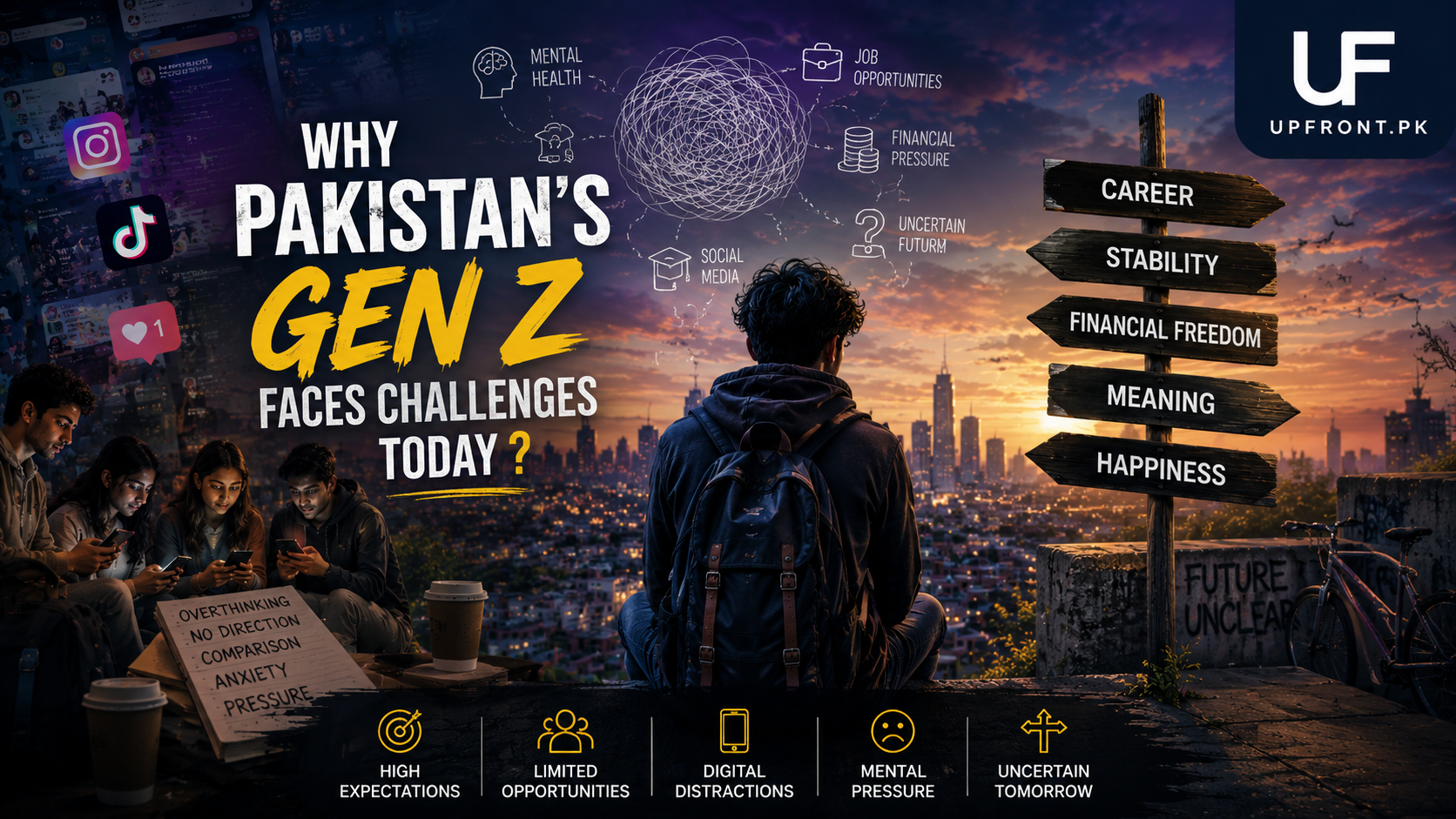
ISLAMABAD – Pakistan Gen Z challenges are shaping the experiences of millions of young Pakistanis. Despite being the most digitally connected generation, many feel uncertain about careers, social expectations, and their future.
Born roughly between the late 1990s and early 2010s, this generation faces a unique set of economic, social, and technological pressures that previous generations never encountered.
Education and Employment Gaps Highlight Pakistan Gen Z Challenges
One of the key Pakistan Gen Z challenges is the growing gap between education and employment. Thousands of university graduates enter the job market each year, yet quality employment opportunities are limited. Youth unemployment continues to rise, leaving many overqualified for available positions or struggling to find meaningful work. This disconnect often leads to frustration and social withdrawal.
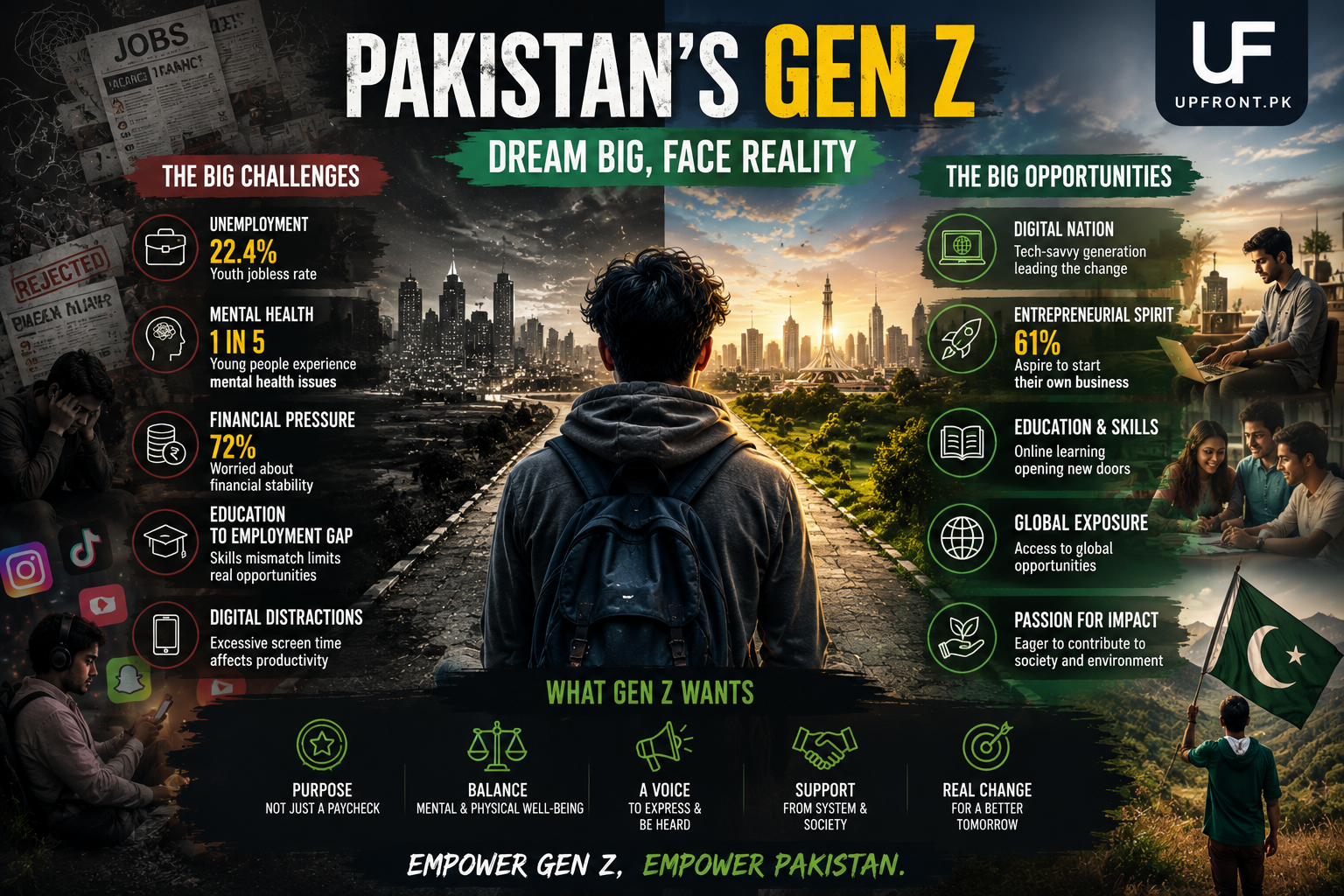
This Image is Ai generated and used for Illustration purposes only.
Digital Isolation Adds to Pakistan Gen Z Challenges
Digital life has created both opportunities and challenges for Pakistan’s youth. While social media and online platforms keep Gen Z connected, they can also increase feelings of isolation. Young people may maintain hundreds of online connections but struggle to build meaningful in-person relationships. This disconnect contributes to emotional stress and a sense of being lost in today’s fast-paced, digital-first world.
Questioning Traditions and Defining Independence
Another important Pakistan Gen Z challenge is the shift in social expectations. Unlike previous generations, young Pakistanis increasingly question traditional career paths, authority, and social norms. They value flexibility, skill-based recognition, and personal fulfillment over rigid hierarchies. This mindset sometimes creates tension within families and workplaces but also reflects a generation striving for independence and self-respect.
Technology and Global Exposure Provide Opportunities
Despite the challenges, Pakistan Gen Z is also highly capable and entrepreneurial. Access to technology, global knowledge, and digital tools enables young people to explore freelancing, e-commerce, content creation, and remote work. These opportunities can transform Pakistan Gen Z challenges into advantages if the right support and policies are in place.
Society’s Role in Supporting Pakistan Gen Z
The question is not whether Gen Z is struggling—it is whether Pakistan provides the environment to succeed. Governments, educational institutions, businesses, and families must work together to close gaps between education and employment, digital life and real-life interaction, and ambition and opportunity. Proper guidance, skills development, and employment opportunities can turn this generation into a driving force for Pakistan’s future.
Key Points:
- Pakistan Gen Z faces challenges in employment, education, and social expectations.
- Digital connectivity increases both opportunity and isolation.
- Young Pakistanis question traditional norms and prioritize independence.
- Technology, freelancing, and entrepreneurship create new opportunities.
- Society and government support are critical for turning challenges into national strengths.
FAQs:
Why is Gen Z struggling in Pakistan?
Pakistan Gen Z challenges include unemployment, economic uncertainty, social pressure, and difficulties balancing digital and real-life experiences.
What are the main challenges for Pakistani youth?
Key challenges are limited job opportunities, skill gaps, rising costs of living, and uncertainty about the future.
Is Pakistani Gen Z different from previous generations?
Yes. Gen Z has grown up with smartphones, social media, and global exposure, which has changed how they communicate, work, and view success.
Are Pakistani youth moving toward freelancing?
Yes. Many young Pakistanis explore freelancing, online business, and digital entrepreneurship as alternatives to traditional employment.
Read More:
Stay Connected with Upfront
Get the latest news, technology, business, sports and entertainment stories from Upfront.
Add Upfront as a preferred source on GoogleAdd Upfront to your preferred sources to see more of our stories across Google Search.