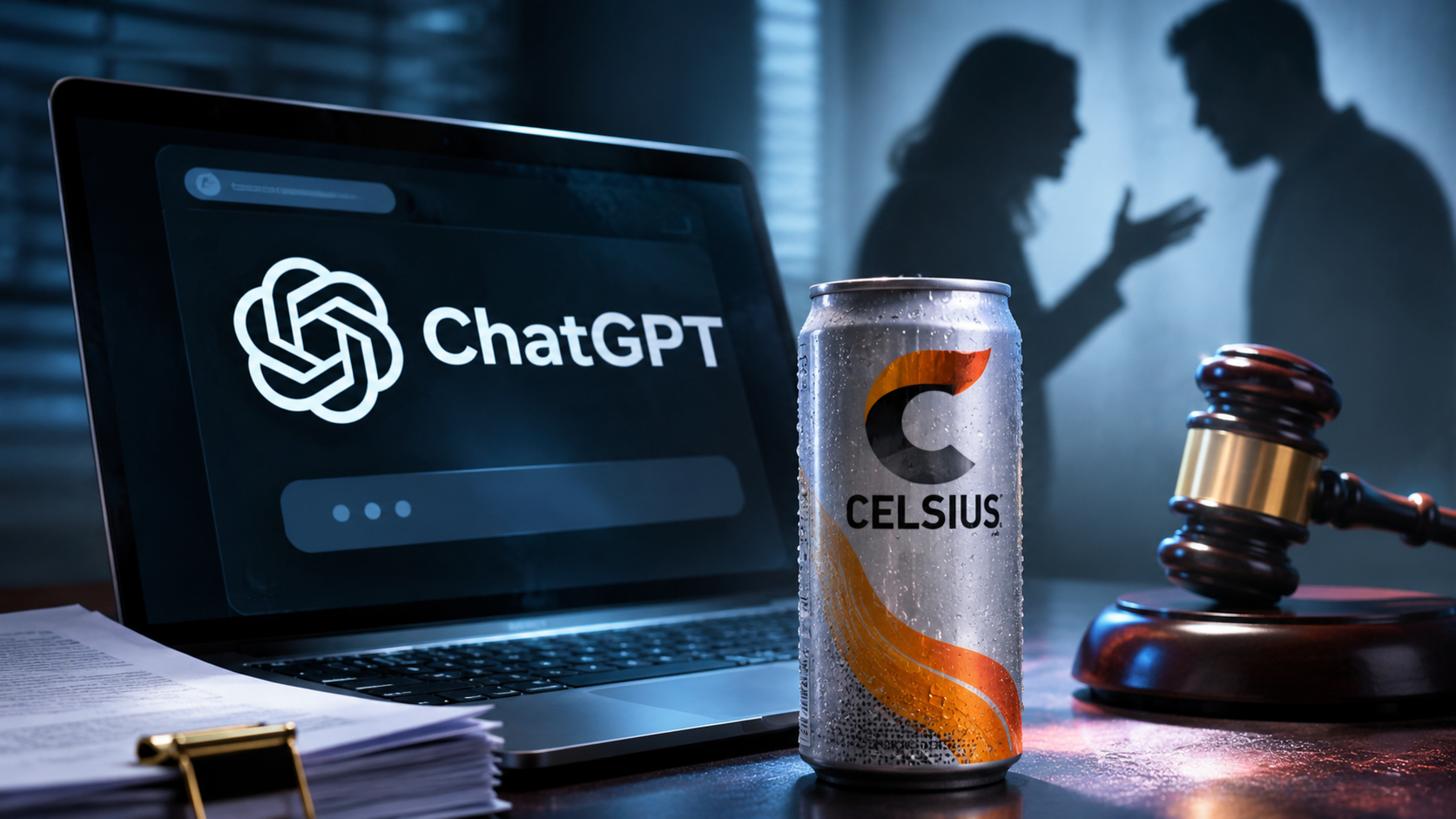
ISLAMABAD – A North Carolina man has sued OpenAI and CEO Sam Altman, alleging that ChatGPT helped his estranged wife plan to poison him and provided advice that could help conceal the suspected crime.
James Gates filed the lawsuit in San Francisco on October 14, 2026, accusing the company of failing to prevent dangerous conversations involving alleged plans for violence.
According to the complaint, his wife, Cheryl Gates, held at least 25 exchanges with ChatGPT involving harmful substances, medication risks and ways to avoid detection.
The allegations have raised serious questions about AI safety and the responsibility of chatbot developers.
ChatGPT Allegedly Helped Develop Poisoning Plan
James claims Cheryl initially used ChatGPT for work and everyday tasks before turning to the chatbot for relationship advice.
As their marriage deteriorated, she allegedly became increasingly dependent on its responses.
The lawsuit claims ChatGPT reinforced her fears about her husband and later provided information relevant to a suspected poisoning plot.
According to Ars Technica, some conversations involved concealing harmful substances in drinks, including Celsius energy drinks that James regularly consumed.
The complaint alleges that ChatGPT continued responding despite the increasingly dangerous nature of the questions.
Husband Claims He Became Seriously Ill
James alleges that Cheryl attempted to poison him between June and September 2025.
He reportedly became suspicious after noticing an unusual taste in his energy drinks.
During one incident, he claims he suffered severe weakness, abdominal pain, confusion and other symptoms for approximately 72 hours.
He later discovered a handwritten note containing information about dangerous substances and reminders to clear ChatGPT conversations.
James contacted police, who launched an investigation.
Charlotte police arrested Cheryl in October 2025. However, prosecutors dropped the criminal charges in April 2026, citing insufficient evidence.
OpenAI Responds to Allegations
OpenAI confirmed that it banned the account involved and cooperated with law enforcement.
In a statement, a company spokesperson said safety remained a top priority and confirmed that OpenAI had provided information to investigators.
James is seeking financial damages and stronger safeguards to identify conversations involving potential violence.
The lawsuit argues that AI chatbots should recognize dangerous requests rather than continue providing potentially harmful information.
The case raises wider questions about whether AI companies can face legal responsibility when chatbot conversations allegedly contribute to harm against third parties.
However, the claims against OpenAI remain unproven, and no court has established that ChatGPT caused the alleged poisoning.
Key Points:
- James Gates sued OpenAI and Sam Altman in October 2026 over an alleged poisoning plot.
- The lawsuit claims ChatGPT provided dangerous information during conversations with his wife.
- Police arrested Cheryl Gates in October 2025, but prosecutors dismissed the charges in April 2026.
- OpenAI confirmed it banned the account and cooperated with investigators.
- James seeks damages and stronger AI safety protections.
Read More:
For more such exclusive articles, follow Upfront .