Pakistan
Pakistan RLNG power generation falls to 8 year low in 2026

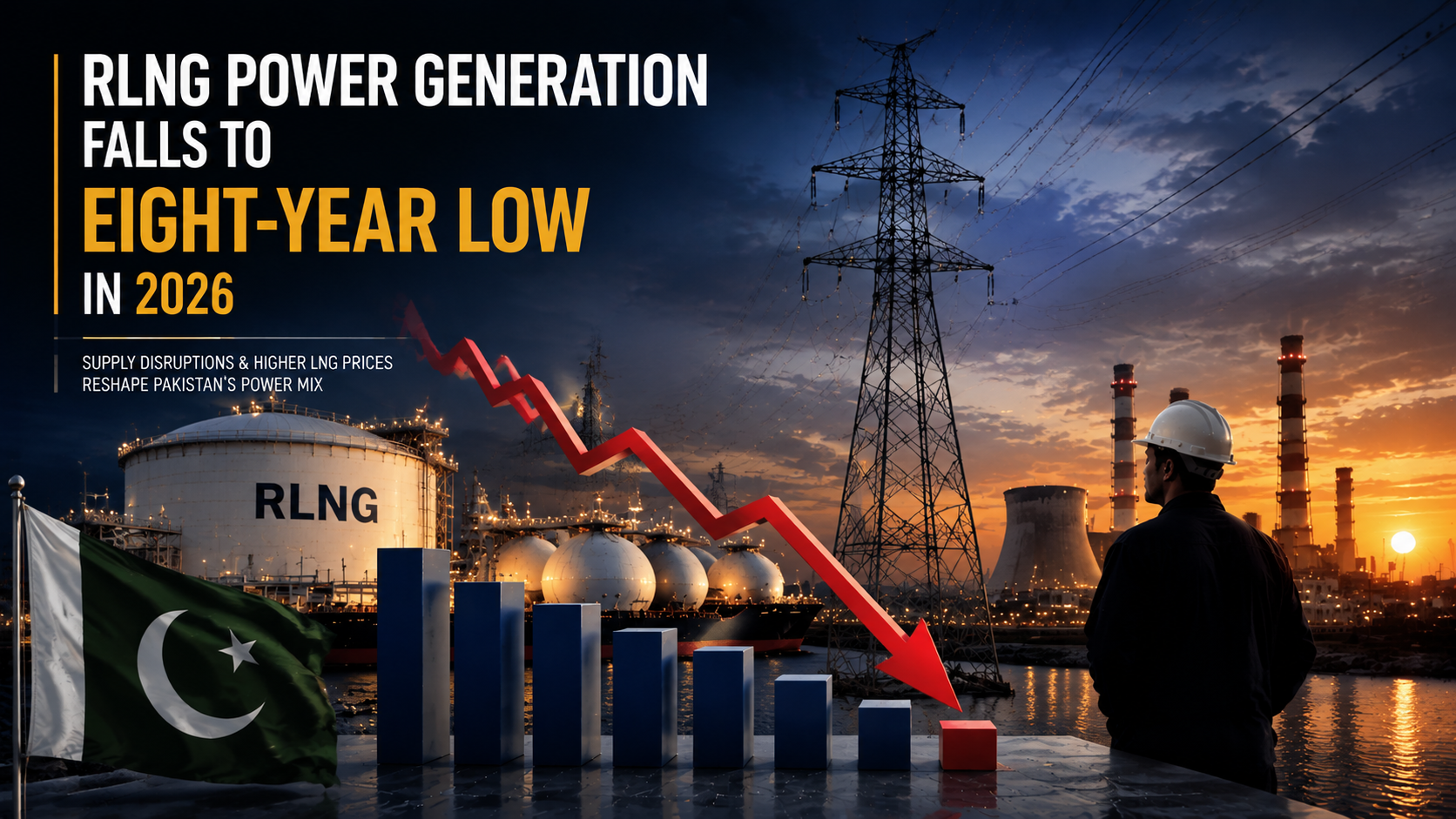
KARACHI – Pakistan’s reliance on imported liquefied natural gas (RLNG) for electricity generation declined to an eight-year low in fiscal year 2026, as supply disruptions and rising international LNG prices reduced the fuel’s contribution to the country’s power mix.
The decline came amid disruptions in RLNG supplies following the US-Iran conflict, while higher spot LNG prices made gas-based electricity production increasingly expensive. As a result, power producers reduced dependence on RLNG plants and shifted towards other energy sources, particularly coal.
The development highlights the vulnerability of Pakistan’s energy sector to global geopolitical tensions and fluctuations in international fuel markets.
RLNG Contribution to Power Generation Declines
RLNG has played an important role in Pakistan’s electricity sector over the past few years, helping meet growing energy demand and supporting power generation during periods of high consumption.
However, during FY26, limited availability of imported gas and rising procurement costs affected the operation of RLNG-based power plants. Several facilities operated below capacity as obtaining LNG became more challenging and expensive.
The decline marks the lowest level of RLNG-based electricity generation in eight years, reflecting the impact of external energy shocks on Pakistan’s power sector.
Higher LNG Prices Make Gas-Based Power Costly
One of the major reasons behind the fall in RLNG-based generation was the sharp increase in international spot LNG prices.
Since Pakistan relies heavily on imported LNG, changes in global markets directly affect the cost of electricity production. When LNG prices rise, electricity generated through gas-based plants becomes more expensive compared with other available sources.
During FY26, higher fuel costs reduced the financial attractiveness of RLNG-based power generation and encouraged greater reliance on alternative fuels.
Coal Gains Greater Share in Pakistan’s Energy Mix
As RLNG generation declined, coal-based electricity production increased its share in Pakistan’s overall power generation mix.
Coal provided an alternative source of energy when imported gas supplies became limited. However, the increased dependence on coal also raises concerns about environmental impact and the need for a balanced long-term energy strategy.
The shift shows how international fuel disruptions can quickly influence Pakistan’s domestic electricity landscape.
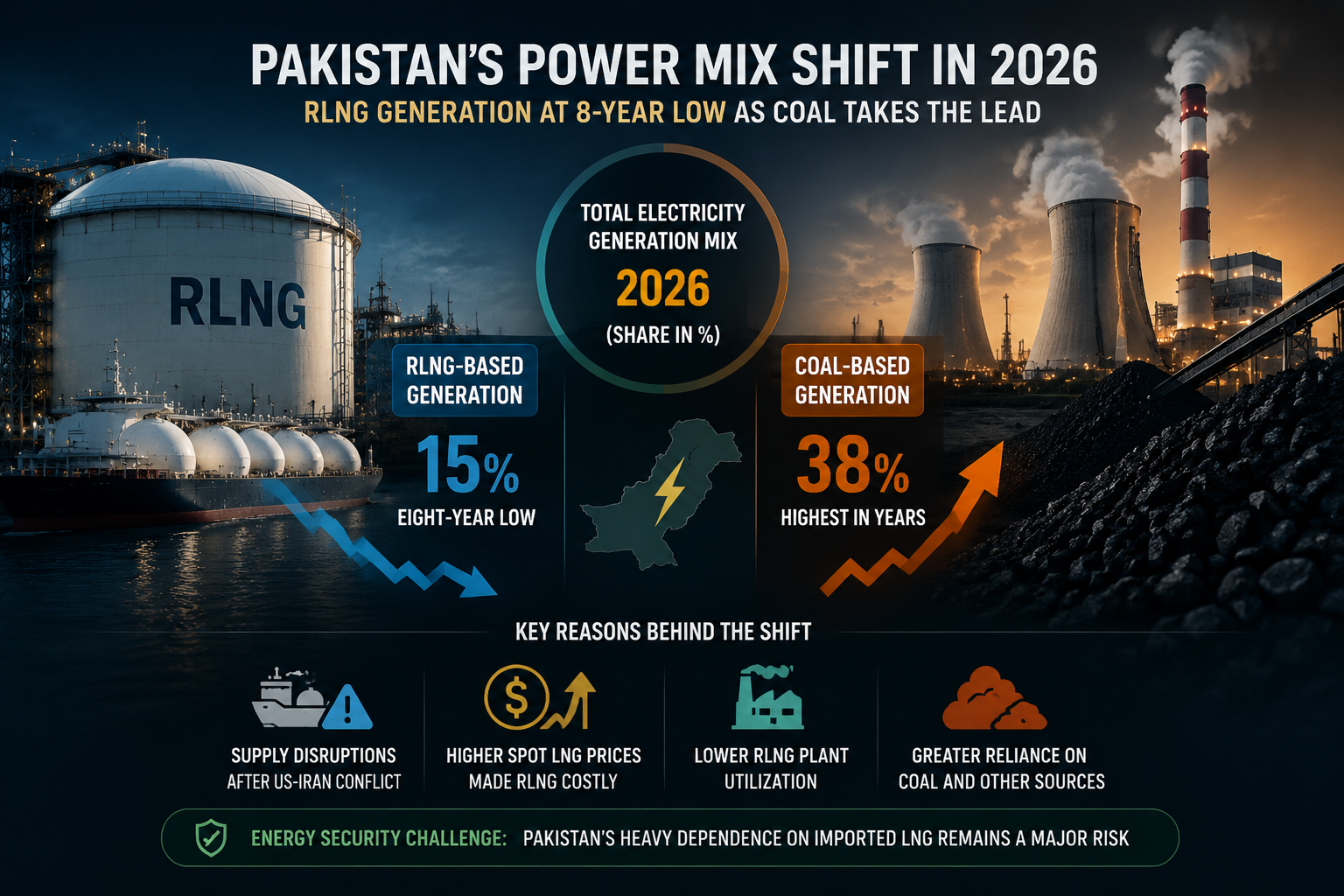
This Image is Ai generated and used for Illustration purposes only.
Energy Security Challenges Continue
The decline in Pakistan RLNG power generation highlights the risks associated with heavy dependence on imported fuels.
Pakistan’s power sector remains exposed to global market changes, international conflicts, and supply chain disruptions. Any major disturbance in global energy markets can affect fuel availability, electricity costs, and overall economic stability.
Energy experts have repeatedly stressed the importance of reducing reliance on imported fuels by expanding renewable energy, improving domestic energy resources, and creating a more diversified power generation system.
Need for a More Stable Energy Strategy
The latest decline in RLNG-based electricity generation reflects the challenges Pakistan faces in managing its energy needs amid global uncertainty.
While imported LNG has helped address electricity shortages in recent years, dependence on international markets remains a major risk. Developing a balanced energy mix that includes renewable sources, local resources, and reliable fuel supplies will be essential for long-term energy security.
As global energy markets continue to remain unpredictable, Pakistan’s ability to manage fuel costs and ensure stable electricity supply will remain a key economic challenge.
Key Points:
- Pakistan’s RLNG-based power generation fell to an eight-year low in FY26.
- Supply disruptions after the US-Iran conflict affected LNG availability.
- Higher international LNG prices reduced the use of gas-based power plants.
- Coal-based electricity generation gained a larger share in the power mix.
- Heavy dependence on imported gas remains a challenge for Pakistan’s energy security.
- A diversified energy strategy is needed to reduce exposure to global fuel shocks.
Read More:
For more such content and latest updates , keep checking upfront.pk .
Stay Connected with Upfront
Get the latest news, technology, business, sports and entertainment stories from Upfront.
Add Upfront as a preferred source on GoogleAdd Upfront to your preferred sources to see more of our stories across Google Search.