Connect with us

Pakistan

Pakistan to start manufacturing its own ventilators this month: Fawad

Published

on

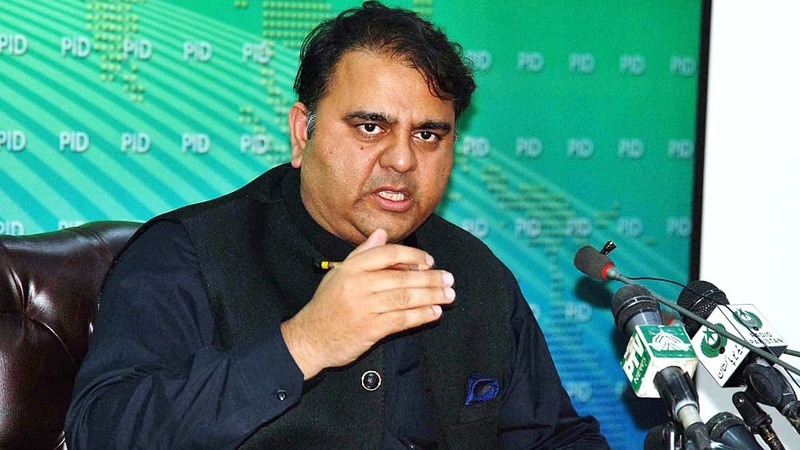
ISLAMABAD (APP) – Federal Minister for Science and Technology Fawad Chaudhry Monday announced that Pakistan within three weeks would start manufacturing of its own Ventilators to increase testing capacity for Coronavirus.

Fawad hoped that today after getting the approval of Drugs Regulatory Authority of Pakistan (DRAP), Pakistan will start locally its own testing kits and ventilators manufacturing to save the lives of many critically ill coronavirus patients.

He said we will successfully made the ventilators in country, which is the much needed medical equipment for the hospitals amid the coronavirus epidemic. Steps have already been taken to manufacture the test kits and ventilators locally, he added.

Fawad Chaudhry added that earlier only test kits were made by China and other countries. High costs, manufacturing countries’ inability to fulfill export demands due to their own local demands, among other reasons, have made import of the equipment even more difficult even in America so after the manufacturing of local Ventilators we will get cheap rate testing facilities in our own country, he added.

To improve the testing capacity, NDMA, federal government and provisional governments are working in close collaboration to increase the existing number of coronavirus testing labs and its capacity. He said the Coronavirus cases surged in U.S. and Europe as compared to South Asia countries where corona patients are less affected.

Fawad said Pakistan will also be the part of world research on Coronavirus where we will soon to launch a research paper as well. He said, the federal government took major steps for overcoming the shortage of ventilators and testing kits for screening and detection of coronavirus.

The indigenous ventilators will be far cheaper than those being imported from abroad, the minister added. He said that Pakistan Engineering Council (PEC) was given this task to overcome shortage of ventilators in the prevailing health crisis due to increasing number of Coronavirus patients in the country.

Replying a Query about increasing stressed among Public related to coronavirus, he urged people to strictly follow social distancing and self-quarantine as the country is facing major threats due to the coronavirus.

He suggested that people to promote the habit of reading books at home during the corona lock downs. He urged the media to focus on educating people, as it is the collective responsibility of all citizens.

The government is also working on an economic package to support the people, industry and the country’s economy from the negative effects of the pandemic, he added.


 

Editorial

Why Does Electricity Go Out When It Rains in Pakistan?

Published

on

Why does electricity go out when it rains in Pakistan
This Image is Ai generated and used for Illustration purposes only.

LAHORE – Why does electricity go out when it rains in Pakistan? This question becomes common every monsoon season as heavy rainfall often brings unexpected power interruptions across the country. While rain provides relief from extreme heat, millions of households frequently face electricity outages due to damaged infrastructure, grid faults, safety shutdowns and weather-related challenges.

From Karachi to Lahore and Islamabad, heavy rain frequently causes power failures, leaving residents without electricity for hours. Although rain itself does not directly create a shortage of electricity, it exposes weaknesses in Pakistan’s power distribution system. 

The main reasons behind rain-related load-shedding include ageing infrastructure, damaged electricity equipment, safety shutdowns, overloaded distribution networks, illegal connections and delayed maintenance. 

Why Does Electricity Go Out When It Rains in Pakistan?

This Image is Ai generated and used for Illustration purposes only.

Quick Overview: Why Rain Causes Power Outages in Pakistan 

Cause Factor  Technical Process  Main Impact on Grid 
Precautionary Safety Shutdown  Power utilities (like LESCO, K-Electric) proactively shut off local feeders during downpours.  Prevents fatal electrocutions and equipment damage in waterlogged neighborhoods. 
Automatic System Tripping  Heavy moisture and water intrusion seep into exposed transformers and high-tension lines.  Triggers automatic safety switches to trip, isolating faults and shutting down entire circuits. 
Outdated Infrastructure  Older distribution transformers utilize fragile, exposed outdoor fuses (locally called D’s and T’s).  Exposed components easily short-circuit, burn, or blow out under heavy rainfall or humidity. 
Physical Weather Damage  Monsoon winds and heavy downpours uproot trees, snap overhead wires, and collapse old poles.  Directly severs physical transmission lines, causing sustained localized blackouts. 
Urban Flooding  Excess rainwater submerges ground-level electrical substations and localized consumer meters.  Prevents repair crews from accessing faults safely until municipal water is drained. 


How Rain Affects Pakistan’s Electricity System 

Pakistan’s electricity network depends on thousands of kilometres of transmission lines, transformers, feeders and distribution stations. 

During normal weather conditions, these systems can handle daily demand. However, heavy rainfall creates additional challenges. 

Water and Electricity Equipment Do Not Mix 

Electricity equipment requires protection from moisture and water exposure. During heavy rain, water can enter distribution boxes, transformers and underground connections. 

As a result, electricity companies often switch off affected feeders to prevent: 

  • Electrical fires  
  • Equipment damage  
  • Public safety risks  
  • Short circuits  

These temporary shutdowns may appear as load-shedding, although they often happen as emergency safety measures. 


Outdated Electricity Infrastructure Increases Problems 

One of the biggest reasons Pakistan faces frequent power interruptions during rain is the condition of its electricity infrastructure. 

Many parts of the distribution network were built decades ago and now struggle to handle: 

  • Growing electricity demand  
  • Extreme weather conditions  
  • Urban expansion  
  • Increased air-conditioning usage  

According to Pakistan’s power sector reports, distribution losses remain a major challenge for electricity companies. Technical losses and outdated systems reduce the reliability of supply, especially during extreme weather. 


Why Karachi Faces Frequent Rain-Related Power Failures 

Karachi experiences some of the most visible rain-related electricity problems in Pakistan. 

The city’s electricity provider, K-Electric, often temporarily shuts down some areas during heavy rainfall to protect residents and equipment. 

Karachi faces additional challenges because: 

  • Many electricity cables run through densely populated areas.  
  • Underground water accumulation affects electrical equipment.  
  • Rapid urban expansion increases pressure on the network.  
  • Illegal connections create additional load.  

During monsoon rains, areas with damaged infrastructure or water accumulation often experience longer restoration times. 


Why Lahore Experiences Outages During Rain 

In Lahore, electricity distribution is managed mainly by Lahore Electric Supply Company (LESCO). 

Heavy rainfall can affect Lahore’s electricity network because: 

  • Trees and branches can damage overhead wires.  
  • Transformers may develop faults.  
  • Flooded streets make repair work difficult.  
  • High electricity demand puts additional pressure on feeders.  

Although Lahore has seen improvements in electricity availability in recent years, local faults during storms remain a recurring issue. 


Islamabad and Rawalpindi Rain-Related Electricity Issues 

Islamabad and Rawalpindi also experience power disruptions during heavy rainfall. 

The region faces problems including: 

  • Falling trees near transmission lines  
  • Landslides in surrounding areas  
  • Damaged transformers  
  • Faults in local distribution networks  

The hilly terrain around Islamabad can make repair work more difficult, especially during severe weather conditions. 


Grid Failures and Transmission System Problems 

Pakistan’s electricity network operates through a complex system connecting power plants, transmission lines and distribution companies. 

However, failures can occur when one part of the system experiences problems. 

Common causes include: 

Overloaded Transmission Lines 

When electricity demand rises sharply, transmission equipment operates under greater stress. 

During summer rainfall, households often continue using: 

  • Fans  
  • Air conditioners  
  • Refrigerators  
  • Water pumps  

This increased demand can overload local systems. 


Transformer Failures 

Transformers convert electricity into usable voltage for homes and businesses. 

However, overloaded or poorly maintained transformers can fail during storms. 

A single transformer failure can affect hundreds of consumers. 


Illegal Electricity Connections Add Pressure 

Illegal electricity connections, commonly known as electricity theft, remain a major challenge for Pakistan’s power sector. 

These connections increase pressure on distribution networks by: 

  • Overloading transformers  
  • Increasing technical losses  
  • Creating safety hazards  

During rainfall, already stressed systems become more vulnerable to breakdowns. 


Maintenance Challenges During Extreme Weather 

Electricity companies need regular maintenance to prevent failures. 

However, maintenance work becomes more difficult during: 

  • Heavy rainfall  
  • Flooding  
  • Strong winds  
  • Limited road access  

Furthermore, emergency repairs often take longer because workers must wait for safer conditions before handling electrical equipment. 


Is rain the real cause of Load-Shedding? 

Rain itself does not create electricity shortages. 

Instead, rainfall exposes existing weaknesses in the electricity network. 

A strong and modern power system can continue operating during storms with limited interruptions. However, weak infrastructure increases the impact of weather events. 

Therefore, frequent rain-related outages highlight deeper issues, including: 

  • Infrastructure investment gaps  
  • Distribution losses  
  • Maintenance problems  
  • Network expansion challenges  


How Pakistan can reduce rain-related power outages 

Experts believe Pakistan can improve electricity reliability through: 

  1. Modernising Distribution Networks 

          Electricity companies need to upgrade: 

  • Old transformers  
  • Transmission lines  
  • Distribution equipment  


  1. Installing Weather-Resistant Equipment

          Modern systems can reduce damage from: 

  • Water exposure  
  • Strong winds  
  • Lightning strikes  


  1. Reducing Electricity Theft

  • Improving monitoring systems and preventing illegal connections can reduce pressure on the grid. 


  1. Better Urban Planning

          Cities need improved coordination between: 

  • Electricity companies  
  • Municipal authorities  
  • Development agencies  

     This can reduce problems caused by flooding and construction damage. 


Conclusion 

Rain-related load-shedding in Pakistan is not simply caused by rainfall. Instead, storms expose weaknesses in an electricity system that faces ageing infrastructure, overloaded networks, maintenance challenges and distribution losses. 

While electricity companies often take temporary safety measures during heavy rain, long-term improvements require investment in stronger grids, modern equipment and better maintenance systems. 

Until these improvements take place, many Pakistanis will continue to experience power interruptions whenever severe weather arrives. 


Frequently Asked Questions (FAQs) 

Why does electricity go out when it rains in Pakistan? 

Electricity often goes out during rain because water, strong winds and falling trees can damage power equipment. Companies also shut down some areas temporarily for safety reasons. 

Does rain cause load-shedding in Pakistan? 

Rain does not directly cause load-shedding. However, it can trigger power failures by damaging infrastructure and creating safety risks. 

Why does Karachi lose electricity during rain? 

Karachi experiences outages during rain due to water accumulation, damaged equipment, overloaded networks and emergency shutdowns by the electricity provider. 

Why does electricity come back late after rainfall? 

Restoration can take time because workers must identify faults, access damaged areas and safely repair electrical equipment. 

How can Pakistan reduce rain-related power outages? 

Pakistan can reduce outages by upgrading infrastructure, improving maintenance, reducing electricity theft and investing in modern weather-resistant power systems. 

Read More: 


Continue Reading

Education

Aitchison-Level Schools coming to Punjab under new plan

Published

on

Aitchison-Level Schools Coming to Punjab Under New Plan
This Image is Ai generated and used for Illustration purposes only.

LAHORE – Punjab Chief Minister Maryam Nawaz Sharif has approved a new education initiative to establish Aitchison-level schools across Punjab. 

The project is called the Maryam Nawaz Centre of Academic Leadership. It aims to improve public education through modern facilities and better learning opportunities. 

The government will start the project with a pilot campus in Lahore. Later, the model will expand to other areas of Punjab.

Aitchison-Level Schools Coming to Punjab Under New Plan

This Image is Ai generated and used for Illustration purposes only.


First Aitchison-Level School to Start in Lahore 

The Punjab government will launch the first campus on Wahdat Road in Lahore. 

The proposed school will accommodate 10,000 students. It will include: 

  • 5,000 boys 
  • 5,000 girls 

The project aims to provide equal educational opportunities. It will also introduce modern facilities within the public education system. 

Schools to Offer Modern Learning Facilities 

The new campuses will focus on quality education and student development. 

The government plans to build modern classrooms with advanced learning facilities. Additionally, students will receive opportunities for extracurricular activities. 

The campus will include: 

  • Sports hall 
  • Hockey stadium 
  • Cricket stadium 
  • Swimming pool 
  • Horse-riding facilities 

These facilities will help students develop academic skills and physical abilities. 

Initiative Inspired by Leading Educational Institutions 

The government wants to create schools similar to top educational institutions in Pakistan. 

However, these schools will be part of the public sector. This will allow more students to access better educational facilities. 

Furthermore, the initiative focuses on developing leadership skills among students. It also aims to promote creativity and confidence. 

Maryam Nawaz Reviews Project Details 

Maryam Nawaz approved the project after reviewing a detailed briefing. 

Officials presented information about the campus design, facilities and future expansion plans. 

Following the approval, the government will begin work on the Lahore pilot project. 

Punjab Plans Province-Wide Expansion 

The Punjab government plans to introduce the same school model across the province. 

After the Lahore campus becomes operational, officials will review its performance. The government will then consider expanding the initiative. 

Moreover, the project is expected to support Punjab’s wider education reform strategy. 

Focus on Improving Public Education 

The Maryam Nawaz Centre of Academic Leadership aims to raise education standards in Punjab. 

The initiative will combine academic learning with sports and personal development. 

Although the project will start in Lahore, its long-term goal is to benefit students across the province. 

Key Points :

  • Maryam Nawaz approved the Centre of Academic Leadership initiative. 
  • Punjab will establish Aitchison-level schools across the province. 
  • The first campus will be built on Wahdat Road, Lahore. 
  • The pilot project will accommodate 10,000 students. 
  • The school will include modern classrooms and sports facilities. 
  • The government plans to expand the model across Punjab. 

Read More: 

Continue Reading

Pakistan

Punjab sales tax: Digital payments face tax increase

Published

on

Punjab Sales Tax: Digital Payments Face Tax Increase
This Image is Ai generated and used for Illustration purposes only.

Key Points:

  • Tax Rate Increased: The Punjab government has officially raised the sales tax rate on electronic transactions from 5 percent up to 8 percent.

  • Relief Claims Challenged: Consequently, independent financial analysts have openly challenged official marketing campaigns that labeled the shift as a 50 percent tax relief.

  • Cash Versus Digital: Under the newly enforced structure, digital transactions incur an 8 percent GST. Meanwhile, traditional cash payments face a higher 16 percent GST.

  • Documentation Goals Impacted: This development creates friction for state initiatives. Specifically, it complicates plans aimed at boosting documented economic activities across the province.

LAHORE – The Government of Punjab faces intense public scrutiny after launching a controversial tax marketing campaign. Specifically, official advertisements promoted a major tax relief initiative for consumers. However, independent analysts quickly discovered that the policy actually includes a notable Punjab digital payment tax hike.

Punjab Sales Tax: Digital Payments Face Tax Increase

This Image is Ai generated and used for Illustration purposes only.


According to tax expert Amer Sharif, the official narrative frames the policy as a 50 percent reduction by comparing the 8 percent digital GST directly against the 16 percent cash transaction rate. Nevertheless, this strategic comparison conveniently overlooks the fact that the baseline rate for electronic payments climbed from 5 percent to 8 percent. Therefore, digital consumers are paying more tax than they did under the previous framework.

New Tax Structure Creates Financial Friction

Under the revised provincial regulations, citizens utilizing debit cards, credit cards, or mobile wallets will face an 8 percent GST. Conversely, individuals opting for traditional cash transactions will be charged a steep 16 percent GST.

Provincial GST Rate Comparison

Transaction Method Previous GST Rate New GST Rate (2026) Official Policy Framing Actual Consumer Impact
Digital Payments 5% 8% 50% Reduction vs. Cash 3% Net Tax Increase
Cash Transactions 16% 16% Standard Benchmark No Rate Change

State Documentation Goals Suffer Setback

Originally, provincial authorities designed the differential pricing model to discourage cash hoarding. Furthermore, the strategy aimed to bring more retail transactions into the formal, documented economy. While financial experts widely agree that documenting transactions is a progressive step, the execution of this specific policy has drawn criticism.

Ultimately, increasing the tax burden on compliant digital users contradicts the core goal of digital migration. Because consumers now face higher costs for electronic payments, the policy might accidentally push citizens back toward undocumented cash transactions.

Did the Punjab government decrease taxes on digital payments?

No. Although official campaigns compare it favorably to cash, the tax rate on digital payments actually rose from 5 percent to 8 percent.

What is the current GST rate for cash transactions in Punjab?

The current sales tax rate for standard cash transactions remains fixed at 16 percent across the province.

Why is the new tax policy facing backlash from financial experts?

Experts argue that the policy penalizes electronic users with a net 3 percent tax increase. Consequently, this hidden hike undermines the broader goal of modernizing and documenting the local economy.

Read More : Federal Constitutional Court Karachi demolition verdict.

Continue Reading

About

Upfront influence about 20 million users and is the number one business and technology news network on the planet


© 2022 upfront. All Rights Reserved.

Trending

Copyright © 2026